For many Japanese citizens, a visit to Bali begins as a holiday but eventually turns into something much bigger.
What starts as a two-week vacation can quickly evolve into a long-term dream of living on the island. The tropical climate, welcoming international community, lower living costs, beautiful scenery, and growing business opportunities continue to attract people from Japan who are looking for a different lifestyle.
In recent years, Bali has become increasingly popular among entrepreneurs, investors, remote professionals, retirees, and families seeking a new chapter outside Japan.
However, relocating to Bali requires more than simply booking a flight and renting a villa.
To move to Bali legally, Japanese citizens must understand Indonesian immigration regulations, choose the right visa pathway, and develop a long-term residency strategy.
This guide explains the most important considerations for Japanese citizens planning to relocate to Bali and how to build a legal foundation for a successful move.
Why More Japanese Citizens Are Moving to Bali
Bali offers a unique combination of lifestyle and opportunity that appeals to many people seeking a change of pace.
Common reasons for relocating include:
Better Work-Life Balance
Many expatriates appreciate Bali’s slower and more flexible lifestyle.
Business Opportunities
Entrepreneurs continue to discover opportunities across multiple industries.
Investment Potential
Bali attracts investors interested in tourism, hospitality, wellness, and technology.
International Community
The island is home to people from all over the world.
Tropical Environment
Year-round warm weather remains one of Bali’s biggest attractions.
Lower Living Costs
Many residents find Bali more affordable than major cities in Japan.
These factors help explain why long-term relocation has become increasingly popular.
Can Japanese Citizens Move to Bali Permanently?
One of the most common questions is whether foreigners can permanently move to Bali.
The answer depends on individual circumstances and immigration eligibility.
While many foreign nationals live in Bali for extended periods, long-term residency generally requires an appropriate immigration pathway.
For most people, relocating successfully involves:
- Choosing the correct visa
- Maintaining immigration compliance
- Planning for future residency needs
- Understanding long-term requirements
The process is often easier when approached strategically.
Step 1: Define Your Purpose for Moving
Before considering visa options, it is important to determine why you want to move to Bali.
Common relocation goals include:
Starting a Business
Many Japanese entrepreneurs move to Bali to establish companies or invest in existing ventures.
Working Professionally
Some expatriates relocate after accepting employment opportunities.
Retirement Planning
Others move to Bali to enjoy a more relaxed lifestyle.
Family Relocation
Families may relocate together for lifestyle or personal reasons.
Exploring New Opportunities
Some individuals simply want to experience living abroad.
Your primary objective will strongly influence your immigration strategy.
Step 2: Choose the Right Immigration Pathway
One of the biggest mistakes people make is trying to build a long-term life in Bali using a short-term visa strategy.
While visitor-focused visas may be useful initially, they are often not the ideal solution for long-term relocation.
The most appropriate pathway depends on your circumstances.
Common options may include:
- Business-related immigration solutions
- Investor pathways
- Employment-based residency
- Family-based residency arrangements
Understanding the available options early helps avoid future complications.
Step 3: Consider Investor KITAS if You Plan to Own a Business
Many Japanese citizens move to Bali because they want to build a business.
Popular sectors include:
- Hospitality
- Tourism
- Food and beverage
- Technology
- Wellness services
- Consulting
For qualifying investors, Investor KITAS often becomes one of the most attractive long-term immigration solutions.
Many entrepreneurs prefer Investor KITAS because it aligns business ownership with residency planning.
As business activities expand, immigration stability becomes increasingly important.
Step 4: Explore Employment Opportunities
Japanese professionals continue to find opportunities in Bali across several industries.
Common sectors include:
Hospitality
Hotels, resorts, and tourism businesses frequently hire international talent.
Technology
Digital businesses and startups continue to expand.
Education
Language schools and international education providers often seek qualified professionals.
Consulting
Business consulting remains an active sector in Bali.
Professionals planning to work in Indonesia should ensure that employment arrangements and immigration requirements are properly aligned.
Step 5: Plan Your Housing Strategy
Finding the right place to live is one of the most important aspects of relocation.
Popular areas among expatriates include:
Canggu
Popular among entrepreneurs, remote professionals, and younger expatriates.
Ubud
Known for wellness, culture, and a quieter lifestyle.
Sanur
Popular among families and long-term residents.
Seminyak
Offers a mix of convenience, dining, and entertainment.
Uluwatu
Favored by surfers and those seeking a more relaxed environment.
Choosing the right area often depends on lifestyle goals and professional needs.
Step 6: Understand Long-Term Living Costs
Although Bali is often more affordable than many Japanese cities, relocation still requires financial planning.
Key considerations include:
- Housing
- Transportation
- Healthcare
- Insurance
- Education
- Business expenses
- Immigration costs
Creating a realistic budget helps support a smoother transition.
Step 7: Maintain Immigration Compliance
Relocating successfully is not only about obtaining a visa.
Long-term residents must also maintain compliance.
Important responsibilities include:
- Monitoring expiration dates
- Following visa conditions
- Maintaining valid documentation
- Planning renewals when necessary
A proactive approach helps avoid unnecessary immigration complications.
Common Mistakes Japanese Citizens Make When Moving to Bali
Many relocation challenges can be avoided through proper preparation.
Rushing the Decision
Some people move before fully understanding their options.
Using Short-Term Solutions for Long-Term Goals
Temporary arrangements may not always support permanent plans.
Ignoring Immigration Planning
Many people focus only on housing and lifestyle.
Underestimating Costs
Long-term living requires realistic financial preparation.
Delaying Professional Advice
Early guidance often prevents expensive mistakes later.
Signs You Are Ready to Move to Bali
You may be prepared for relocation if:
- You have visited Bali multiple times
- You understand local living conditions
- You have a financial plan
- You have identified an immigration pathway
- You have clear personal or professional goals
Successful relocations are usually based on preparation rather than impulse.
Why Bali Remains One of Asia’s Most Popular Relocation Destinations
Bali continues to attract long-term residents because it offers:
- International lifestyle
- Business opportunities
- Entrepreneurial networks
- Natural beauty
- Cultural experiences
- Strong expatriate communities
For many Japanese citizens, Bali provides opportunities that are difficult to replicate elsewhere.
Why Japanese Citizens Choose ABSVISA
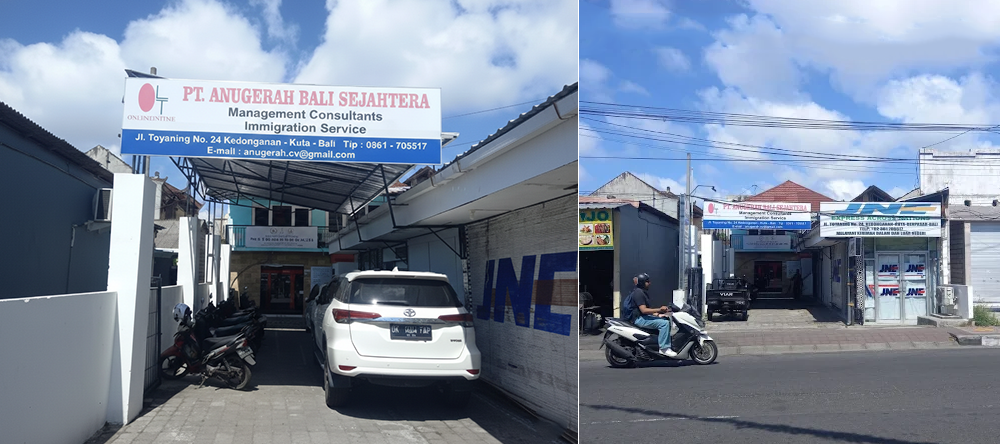
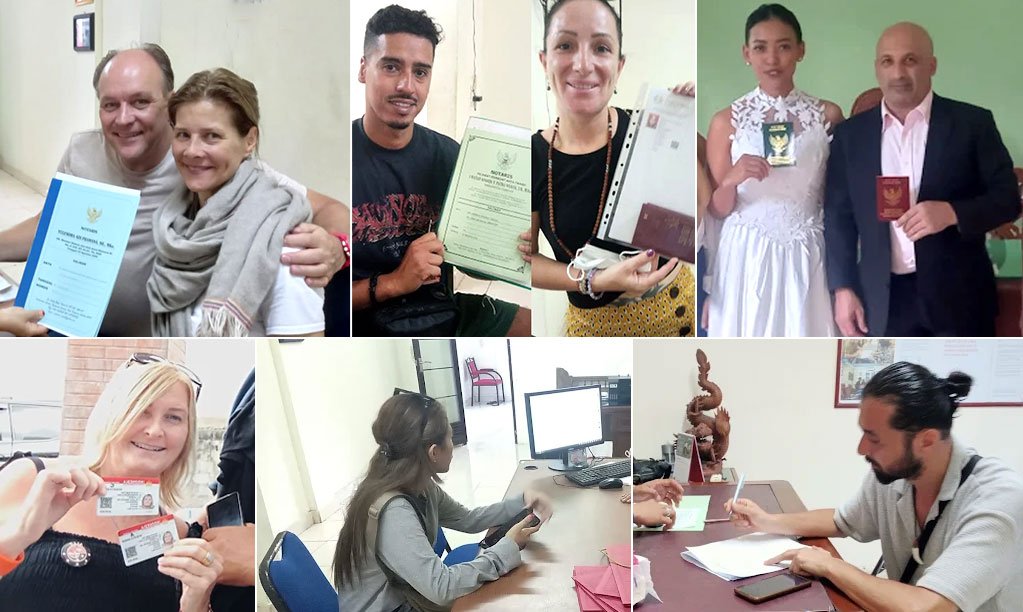
Since 1996, ABSVISA has assisted foreign investors, entrepreneurs, professionals, and expatriates with Indonesian immigration matters.
Our services include:
- Bali visa assistance
- Investor KITAS applications
- Business Visa support
- Immigration consultation
- Long-term stay planning
- Residency guidance
- Compliance assistance
Whether you are exploring the possibility of moving to Bali or preparing for a permanent relocation, our team can help you understand the most suitable immigration options for your situation.
Turn Your Bali Dream into a Legal and Sustainable Reality
Moving to Bali can be one of the most rewarding decisions a Japanese citizen makes. The island offers lifestyle benefits, professional opportunities, investment potential, and a vibrant international community.
However, successful relocation requires more than enthusiasm.
By choosing the right immigration pathway, planning carefully, maintaining compliance, and thinking long term, you can create a stable and sustainable future in Bali.
With the right preparation, your move to Bali can become more than a dream—it can become a successful new chapter of life in Indonesia.