Introduction
Indonesia remains one of Southeast Asia’s fastest-growing investment destinations. With over 270 million people, strong domestic consumption, and ongoing regulatory reforms, many entrepreneurs are looking to start a business in Indonesia in 2026.
However, foreign investors must understand legal structures, capital requirements, sector restrictions, and licensing systems before entering the market.
This complete guide explains everything you need to know about foreign investment in Indonesia, including PT PMA setup, OSS registration, NIB licensing, taxation, and compliance — especially if you plan to operate in Bali.
Why Foreigners Are Investing in Indonesia in 2026

Indonesia offers:
- Growing middle class & consumer market
- Strategic ASEAN location
- Government-backed investment incentives
- Digitalized licensing through OSS system
- Strong tourism and property sectors (especially Bali)
For entrepreneurs seeking expansion in Southeast Asia, Indonesia offers long-term scalability.
But entering the market requires the correct legal structure.
Step 1: Choosing the Right Business Structure
Foreigners cannot directly register a standard local company (PT Local). The most common structure for foreign investors is:
PT PMA (Foreign-Owned Company)
A PT PMA is a limited liability company that allows foreign ownership, regulated under Indonesian investment law.
This structure allows you to:
- Operate legally
- Open corporate bank accounts
- Hire employees
- Apply for investor KITAS
- Conduct commercial activities
👉 For detailed comparison, read:
PT PMA vs Nominee Company in Indonesia: Key Differences
Step 2: Understanding Minimum Capital Requirements (2026 Update)
As of 2026 regulations:
- Minimum total investment plan: IDR 10 billion (~USD 650,000)
- Minimum paid-up capital: typically 25% of total plan
- Each KBLI business classification must meet capital standards
Capital rules often cause confusion among investors.
👉 Full breakdown here:
Minimum Capital Requirements for PT PMA in 2026
Step 3: Check If Your Business Sector Is Allowed
Not all sectors are fully open to foreign investment.
Indonesia regulates this through the Positive Investment List (Daftar Prioritas Investasi).
Some sectors:
- Fully open
- Partially open (with max foreign ownership %)
- Closed to foreigners
👉 Before investing, read:
Restricted Business Sectors for Foreign Investors in Indonesia
Step 4: OSS & NIB Registration Process
Indonesia now uses an online system called OSS (Online Single Submission).
Through OSS you obtain:
- NIB (Business Identification Number)
- Standard Certificate
- Operational License
- Import license (if needed)
Incorrect OSS input can delay operations or cause rejection.
👉 Step-by-step guide here:
OSS & NIB Registration Process Explained for Foreign Companies
Step 5: Understanding Corporate Taxes
Foreign-owned businesses in Indonesia are subject to:
- 22% Corporate Income Tax (standard rate)
- VAT (11%)
- Withholding tax obligations
- Employee income tax compliance
Improper tax structure can lead to penalties and audits.
👉 Read full explanation:
Corporate Taxes for Foreign-Owned Businesses in Indonesia
Step 6: Avoid Common Investor Mistakes (Especially in Bali)
Many investors rush into the Bali market without:
- Proper KBLI verification
- Checking zoning regulations
- Understanding nominee risks
- Structuring capital properly
- Planning long-term compliance
👉 Avoid expensive mistakes here:
Common Mistakes Foreign Investors Make When Opening a Business in Bali
Why Work With a Professional Consultant?
Setting up a business in Indonesia involves:
- Legal drafting
- Deed of establishment
- Ministry approval
- OSS registration
- Tax ID (NPWP)
- NIB issuance
- Bank account opening
- Ongoing compliance
Mistakes in early stages often cost more to fix later.
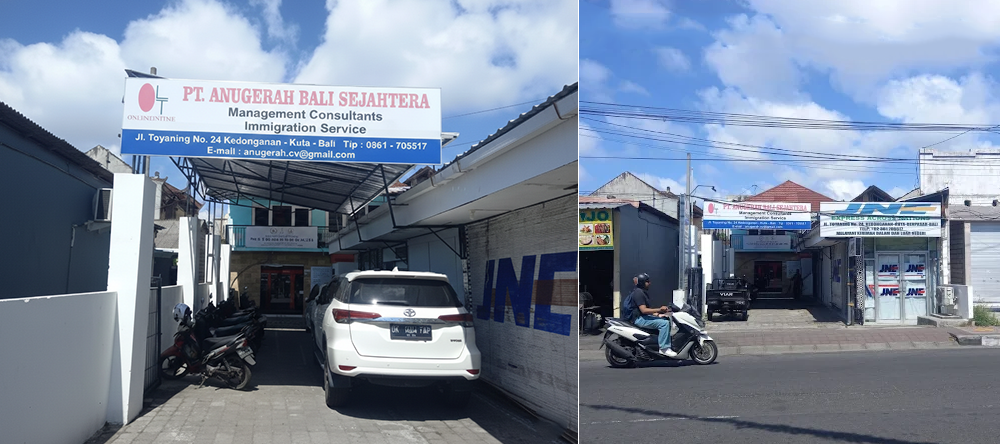
ABS Visa specializes in:
- PT PMA establishment in Bali
- KBLI verification
- OSS & NIB registration
- Investor KITAS
- Corporate compliance support
- Tax & licensing guidance
Start Your Business in Indonesia the Right Way
If you are serious about foreign investment in Indonesia, professional guidance ensures:
✔ Faster setup
✔ Legal compliance
✔ Correct ownership structure
✔ Reduced long-term risk
Contact absvisa.com to discuss your investment plan and receive a personalized consultation for your business setup in Indonesia.