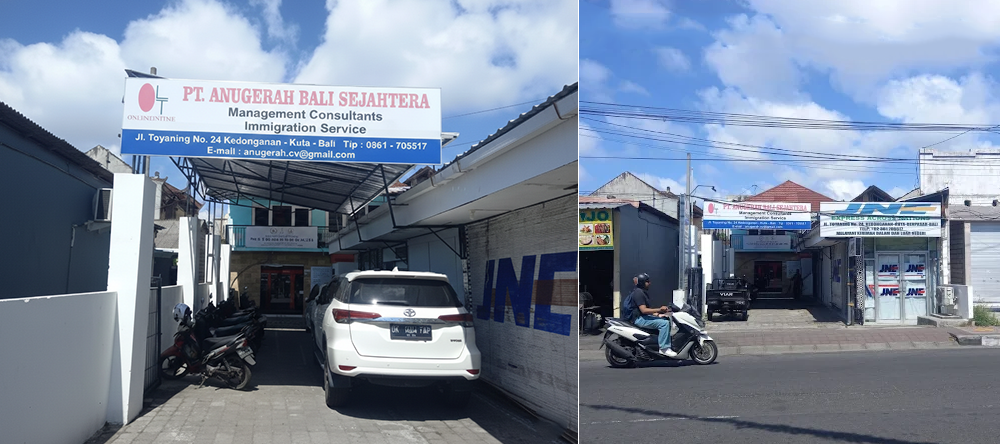
As Bali continues to attract international entrepreneurs, more Japanese investors are exploring opportunities to establish businesses in Indonesia.
Many arrive with plans to:
- Open a restaurant
- Launch a hospitality business
- Invest in villas
- Start a consulting company
- Build a technology startup
- Expand an existing international business
However, one of the first legal questions they encounter is:
“How can a foreigner legally own and operate a company in Bali?”
The answer usually involves a structure known as:
PT PMA (Perseroan Terbatas Penanaman Modal Asing)
PT PMA is the primary legal structure used by foreign investors who want to conduct business activities in Indonesia. Without a PT PMA, foreign individuals generally cannot legally operate a commercial business in Indonesia under their own foreign ownership structure.
This guide explains how PT PMA works, why it is important for Japanese investors, and how it connects to Investor KITAS and long-term business planning in Bali. Japanese investors who are still comparing business setup options can also read our Japanese entrepreneur’s guide to Bali company registration.
What Is PT PMA?
PT PMA stands for:
Perseroan Terbatas Penanaman Modal Asing
In simple terms, it is Indonesia’s official foreign investment company structure.
A PT PMA allows foreign individuals and foreign companies to legally participate in business activities in Indonesia under Indonesian investment regulations.
Most foreign-owned businesses operating legally in Bali use a PT PMA structure. For a broader company setup overview, see our guide on how Japanese citizens can open a company in Bali.
Why PT PMA Is Important
Many first-time investors assume they can simply arrive in Bali and start operating a business.
Indonesia’s investment framework does not work that way.
A PT PMA provides the legal foundation for:
- Foreign ownership
- Commercial operations
- Business licensing
- Corporate banking
- Long-term investment planning
- Immigration pathways for investors
Without the correct structure, investors may face significant legal and operational limitations. If you are still exploring the right structure, our PT PMA company establishment in Bali Indonesia service page may help.
Who Needs a PT PMA?
A PT PMA is commonly required when:
A Foreigner Wants to Open a Business
Restaurants, consulting firms, wellness businesses, technology companies, and hospitality ventures often use PT PMA structures.
A Foreign Company Expands Into Indonesia
International companies frequently establish Indonesian subsidiaries through PT PMA.
Foreign Ownership Exists
Even partial foreign ownership generally requires a PT PMA structure rather than a local Indonesian company structure.
Why Japanese Investors Choose PT PMA
Many Japanese entrepreneurs prefer PT PMA because it provides:
Legal Business Operations
Allows commercial activities under Indonesian law.
Long-Term Business Stability
Supports long-term expansion and investment planning.
Greater Investor Credibility
Professional corporate structures often improve business relationships.
Immigration Opportunities
PT PMA ownership can support Investor KITAS planning.
For serious investors, PT PMA is usually the starting point for long-term business development. If long-term residency is part of your plan, read our guide about how Japanese citizens can get Investor KITAS in Bali.
Popular PT PMA Business Sectors in Bali
Japanese investors are active across multiple industries.
Hospitality
Hotels, villas, resorts, and accommodation services.
Food and Beverage
Japanese restaurants, cafés, bakeries, and specialty concepts.
Wellness
Fitness centers, retreats, yoga businesses, and health-focused ventures.
Consulting
Business advisory and professional services.
Technology
Software, digital services, and startup companies.
Tourism Services
Travel-related businesses and experience-based services.
These sectors continue to attract strong international interest. Investors comparing sectors may also want to read our guide on Bali business opportunities for Japanese investors.
PT PMA Shareholder Structure
A PT PMA generally requires:
- At least two shareholders
- At least one director
- At least one commissioner
Shareholders may be individuals or corporate entities depending on the business structure.
The ownership structure should be carefully planned from the beginning because it affects future business and immigration options. For Japanese investors planning both company ownership and residency, our Bali residency planning guide for Japanese citizens can provide additional context.
PT PMA Capital Requirements
One of the most misunderstood aspects of PT PMA is capital requirements.
Recent regulatory changes reduced the minimum paid-up capital requirement for PT PMA companies to approximately IDR 2.5 billion.
However, investors should understand that:
- Paid-up capital requirements
- Total investment plans
- Investor KITAS requirements
are not necessarily the same thing.
Many foreign investors mistakenly assume these numbers are identical.
They are not.
Understanding the Investment Plan Requirement
Although paid-up capital requirements were reduced, PT PMA companies generally still need to maintain a total investment plan exceeding IDR 10 billion per business activity classification, excluding land and buildings in most sectors.
This distinction is extremely important for long-term planning.
Many investors misunderstand this requirement and create problems later. If your business activity needs classification review, see our page about verified KBLI classification in Bali Indonesia.
PT PMA and Investor KITAS
One of the biggest reasons Japanese investors establish PT PMA companies is to support Investor KITAS applications.
Investor KITAS is commonly used by:
- Company shareholders
- Directors
- Commissioners
- Long-term investors
Many entrepreneurs eventually combine business ownership with residency planning. For more details, see our guide to Bali Investor KITAS for Japanese citizens.
Investor KITAS Shareholding Requirements
Current Investor KITAS frameworks generally require significant personal share ownership within the PT PMA structure.
Recent guidance and immigration-related references continue to emphasize shareholding thresholds of approximately IDR 10 billion per investor for Investor KITAS eligibility.
This requirement remains separate from PT PMA paid-up capital regulations.
Because regulations evolve, investors should always verify current requirements before structuring a company.
PT PMA and Property Investment
Many Japanese investors become interested in PT PMA because of Bali’s property market.
A PT PMA is often used within broader property-related investment structures, particularly for hospitality and commercial projects.
However, investors should never assume:
- Property ownership
- Company ownership
- Immigration status
are automatically the same thing.
Each area requires separate legal and strategic planning. Property-focused investors should also review these Bali property investment risks Japanese citizens should know.
Why Compliance Matters
Opening a PT PMA is only the beginning.
Companies must also maintain ongoing compliance.
This may include:
- Corporate reporting
- Licensing requirements
- Tax obligations
- Investment reporting
- Regulatory compliance
Indonesia increasingly emphasizes transparency and compliance for foreign investors.
Strong compliance helps protect long-term business stability. Business owners planning to live and operate in Indonesia should also understand Bali immigration compliance for Japanese expats.
Common PT PMA Mistakes Foreign Investors Make
Many investors encounter problems because they rush the process.
Opening a Company Without a Clear Business Plan
Structure should support actual business goals.
Confusing Capital Requirements
PT PMA and Investor KITAS requirements differ.
Ignoring Long-Term Immigration Planning
Business and residency strategies should work together.
Using Incorrect KBLI Codes
Business classifications affect licensing requirements.
Failing to Maintain Compliance
Poor compliance can create future complications.
Avoiding these mistakes can save significant time and money. Japanese investors can also review these common Bali visa mistakes Japanese citizens should avoid before making long-term decisions.
Why Many Investors Start with a Long-Term Strategy
The most successful foreign investors rarely think only about company registration.
Instead, they usually plan for:
Business Growth
Can the company scale?
Residency Planning
Will Investor KITAS become necessary?
Family Relocation
Will family members move to Bali?
Future Expansion
Will additional business activities be added?
This broader approach often creates stronger long-term outcomes. If family relocation may become part of your plan, see our complete guide to moving your family from Japan to Bali.
Why Bali Remains Attractive for Japanese Investors
Bali continues to attract international capital because it offers:
- Strong tourism demand
- Global brand recognition
- Entrepreneurial communities
- Lifestyle advantages
- Access to Indonesia’s growing economy
Few destinations combine lifestyle and investment opportunities as effectively as Bali. Japanese business owners who are still planning their immigration pathway can also read our Bali visa guide for Japanese business owners.
Why Japanese Investors Choose ABSVISA
Since 1996, ABSVISA has assisted foreign investors, entrepreneurs, and business owners with Indonesian immigration matters.
Our services include:
- Investor KITAS applications
- PT PMA-related immigration support
- Business Visa assistance
- Long-term residency planning
- Immigration consultation
- Compliance guidance
Whether you are opening your first company in Bali or expanding an existing investment portfolio, our team can help you understand the immigration aspects of your business strategy. You can explore our main Bali visa service page or view all visa services in Bali and Indonesia.
PT PMA Is the Foundation of Long-Term Business Success in Bali
For Japanese investors, PT PMA is often the most important first step toward building a legal and sustainable business presence in Indonesia.
It provides the structure needed for investment, commercial operations, long-term expansion, and Investor KITAS planning.
However, successful company formation requires more than simply registering a business.
By understanding ownership structures, capital requirements, compliance obligations, immigration pathways, and long-term goals, Japanese investors can create a stronger foundation for growth in Bali.
With the right preparation and professional guidance, a PT PMA can become the gateway to long-term business success and residency opportunities in Indonesia.