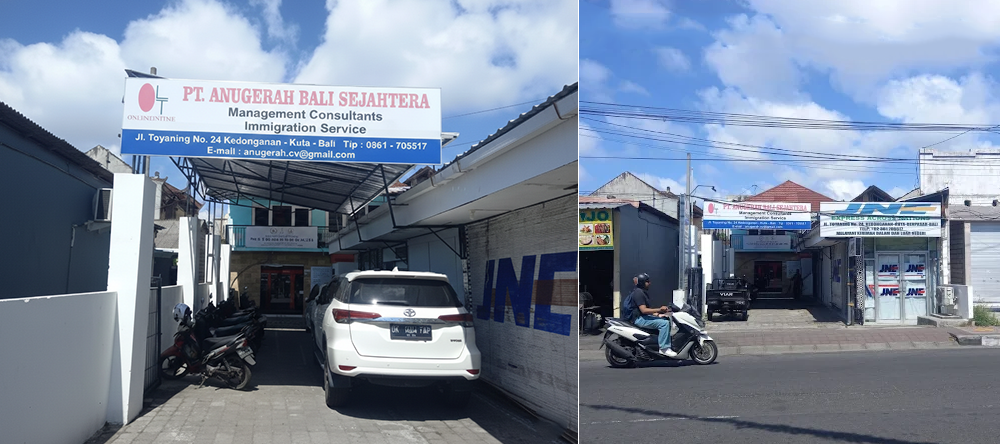
Indonesia continues to attract thousands of international investors every year, particularly in sectors such as tourism, hospitality, technology, real estate services, healthcare, education, logistics, manufacturing, and professional consulting. While establishing a company is one of the first milestones, obtaining the appropriate business licenses is equally important.
Many foreign entrepreneurs believe that once a company has been incorporated, it can immediately begin operating. In reality, Indonesian regulations generally require businesses to obtain additional licenses depending on the nature of their activities. These licenses help ensure that businesses operate legally, meet industry standards, and comply with national regulations.
Whether you are opening a restaurant in Bali, managing villas, operating a digital agency, or establishing an international consulting company, understanding Indonesia’s licensing framework should be part of your business planning from the very beginning.
This guide explains how business licensing works for foreign investors, the relationship between licenses, PT PMA registration, NIB, KBLI, Investor KITAS, and why professional legal guidance can simplify the entire process.
Why Business Licenses Matter
Business licenses are more than administrative documents. They demonstrate that a company has fulfilled the legal requirements necessary to operate within its chosen industry.
Proper licensing helps businesses:
- Operate legally.
- Build credibility with customers.
- Work with suppliers and partners.
- Expand into new markets.
- Maintain regulatory compliance.
- Reduce legal risks.
- Support long-term business growth.
For foreign investors, obtaining the correct licenses is an essential part of building a sustainable business in Indonesia.
Business Registration Comes First
Before applying for operational licenses, a business must first be legally established.
If you are still in the planning stage, we recommend reading these guides first:
- Business Registration Guide for Foreigners in Indonesia
- How to Register a Company in Bali
- Choosing the Right Business Structure in Indonesia
Business licensing begins only after the appropriate legal structure has been established.
PT PMA and Business Licensing
Most foreign entrepreneurs establish a PT PMA (Foreign-Owned Company) before applying for operational licenses.
The company’s registered business activities determine which licenses may be required.
Learn more about PT PMA:
How Business Activities Affect Licensing
Not every business requires the same licenses.
Examples include:
| Business Type | Licensing Requirements |
|---|---|
| Restaurant | Industry-specific approvals may apply. |
| Villa Management | Tourism-related requirements may apply. |
| Travel Agency | Tourism licensing requirements may apply. |
| Technology Company | Licensing depends on activities. |
| Import & Export | Additional trade-related requirements may apply. |
| Construction | Sector-specific licensing requirements. |
| Healthcare | Professional and operational approvals. |
The exact licenses depend on the company’s registered business activities and applicable regulations.
KBLI Determines Licensing Requirements
Your selected KBLI (Indonesian Standard Industrial Classification) directly affects which licenses your business may require.
This is why choosing the correct business classification before incorporation is so important.
If you have not yet selected your KBLI, read:
Understanding KBLI Codes Before Starting a Business in Bali
The Role of the Business Identification Number (NIB)
The Business Identification Number (NIB) forms part of Indonesia’s integrated business licensing system.
Businesses generally obtain an NIB before proceeding with additional licensing requirements where applicable.
Related guide:
How to Get a Business Identification Number (NIB) in Indonesia
Business Licensing and Investor KITAS
Many foreign entrepreneurs eventually apply for an Investor KITAS after establishing their company.
Although business licenses and immigration permits serve different legal purposes, both should be planned together as part of a long-term investment strategy.
If your objective is to actively manage your Indonesian business, you should also read:
Investor KITAS for Singaporean Business Owners in Bali
Industries That Often Require Additional Licensing
- Hospitality.
- Hotels.
- Restaurants.
- Cafés.
- Tour operators.
- Construction.
- Healthcare.
- Education.
- Import and export.
- Financial services.
- Professional consulting.
Each industry has its own regulatory framework, making professional guidance highly valuable.
Common Licensing Mistakes
- Beginning operations before obtaining required licenses.
- Choosing incorrect KBLI classifications.
- Assuming every PT PMA requires identical approvals.
- Ignoring future business expansion.
- Separating licensing from immigration planning.
- Receiving advice from unofficial sources.
- Failing to maintain ongoing compliance.
Business Compliance Checklist
- ✔ Register your company.
- ✔ Select the correct KBLI.
- ✔ Obtain your NIB.
- ✔ Apply for required business licenses.
- ✔ Protect your trademark.
- ✔ Consider Investor KITAS.
- ✔ Maintain legal compliance.
Why Choose ABSVISA?
Business licensing is only one part of establishing a successful company in Indonesia. Foreign investors also require company registration, immigration planning, licensing consultation, and ongoing legal support.
ABSVISA provides integrated services including:
- PT PMA Establishment.
- Business Registration.
- KBLI Consultation.
- NIB Processing.
- Business License Assistance.
- Investor KITAS Applications.
- Business Visa Services.
- Visa Extension Bali.
- Corporate Legal Consultation.
- Trademark Registration.
Working with one experienced team helps reduce delays while ensuring your company remains compliant throughout every stage of growth.
Related Articles
- Business Registration Guide for Foreigners in Indonesia
- How to Register a Company in Bali
- Choosing the Right Business Structure in Indonesia
- Business Identification Number (NIB)
- Understanding KBLI Codes Before Starting a Business in Bali
- Business Licenses Required for Foreign Investors in Indonesia
- Investor KITAS Guide
Frequently Asked Questions
Does every foreign company require business licenses?
Licensing requirements depend on the company’s registered activities and applicable Indonesian regulations.
Can I start operating immediately after registering a PT PMA?
Not necessarily. Depending on your business activities, additional licenses or approvals may be required before commencing operations.
Does my KBLI affect licensing?
Yes. Your selected KBLI classification plays an important role in determining licensing requirements.
Can ABSVISA assist with business licensing?
Yes. ABSVISA provides assistance with company registration, PT PMA establishment, KBLI consultation, NIB processing, business licensing, Investor KITAS applications, and ongoing legal support.
Conclusion
Obtaining the appropriate business licenses is an essential step in establishing a successful company in Indonesia. Together with the correct PT PMA structure, KBLI classification, NIB registration, and immigration planning, proper licensing creates a strong legal foundation for long-term business success.
If you are planning to establish a company, obtain business licenses, apply for an Investor KITAS, or require assistance with business registration and immigration, ABSVISA is ready to help. As a trusted Bali Visa Agent, experienced Bali Visa Agency, and professional legal consultant, ABSVISA provides complete business and immigration solutions for foreign investors throughout Indonesia.