Indonesia has introduced a series of updates and clarifications to its Visa on Arrival (VOA) policy in 2026, reflecting a broader shift toward modernization, efficiency, and tighter immigration control.
For years, the VOA system has been one of the main reasons Bali remains highly accessible to international travelers. The process has been known for its simplicity—arrive, pay, and enter.
However, in recent years, authorities have gradually refined the system. The goal is not to make entry more difficult, but to make it more structured, more digital, and more compliant with immigration objectives.
👉 In 2026, travelers will notice that while the core system remains familiar, the details—and enforcement—have evolved significantly.
🛂 VOA Remains a Key Entry Option
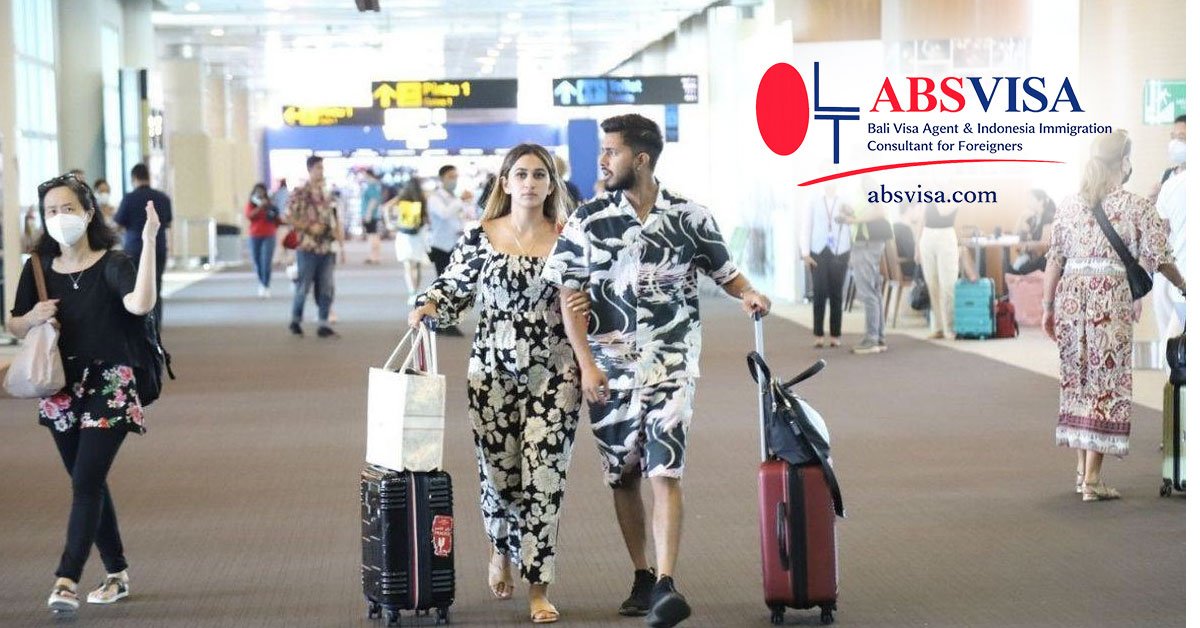
Visa on Arrival continues to be one of the primary entry options for short-term visitors to Indonesia.
The policy still allows travelers from dozens of countries—including the United States, Australia, most of Europe, and several Asian countries—to obtain a visa directly upon arrival at designated entry points.
Major international airports such as Bali’s Ngurah Rai International Airport remain fully equipped to process VOA applications.
👉 This means that for most tourists, the entry process is still straightforward and accessible.
However, accessibility does not mean flexibility in how the visa can be used.
💻 Expansion of the e-VOA System
One of the most important developments in 2026 is the expansion and improvement of the electronic Visa on Arrival (e-VOA) system.
This digital alternative allows travelers to:
- Apply for VOA online before arrival
- Complete payment electronically
- Receive pre-approval documentation
The impact of this system is significant.
Travelers who use e-VOA can often bypass long queues at the airport, moving directly to immigration counters with pre-processed documents. This reduces congestion, speeds up processing time, and creates a more efficient arrival experience.
👉 The introduction and expansion of e-VOA signal Indonesia’s transition toward a more digitally integrated immigration system.
While traditional VOA remains available, the digital route is increasingly encouraged.
⏳ Duration Rules: No Major Changes, But Clearer Enforcement
The official duration of Visa on Arrival has not changed in 2026, but the rules are now communicated and enforced more clearly.
Current structure:
- Initial stay: 30 days
- Extension: 30 days (one-time only)
👉 Maximum total stay: 60 days
Authorities have emphasized that VOA is strictly limited to a single extension.
In previous years, some travelers attempted to use VOA repeatedly or misunderstand its limits. In 2026, immigration authorities are taking a firmer stance to ensure compliance.
⚠️ Stronger Immigration Enforcement
Perhaps the most notable change is not in the rules themselves—but in how they are enforced.
Indonesia has increased its focus on:
- Visa overstays
- Frequent short-term entries
- Misuse of tourist visas
Travelers who repeatedly enter Indonesia using short-term visas, especially without clear travel patterns, may face additional questioning or scrutiny at immigration checkpoints.
👉 The message is clear:
The VOA system is intended for genuine short-term visits, not as a workaround for long-term stays.
💰 Visa Fees Remain Stable
Despite other updates, the cost of Visa on Arrival remains unchanged.
Current fees:
- VOA: IDR 500,000
- Extension: IDR 500,000
This pricing keeps Indonesia competitive as a travel destination, especially compared to countries with higher visa fees or more complex processes.
👉 For short-term travelers, VOA continues to be one of the most cost-effective entry options in the region.
💳 Improved Payment Methods
Another practical improvement is the expansion of payment options.
Travelers can now pay for VOA using:
- Cash (Indonesian Rupiah)
- Credit or debit cards
- Online payment through e-VOA
This flexibility reduces delays and makes the process more convenient, particularly for travelers who prefer cashless transactions.
🚫 Clearer Rules on Visa Usage
Authorities have also clarified how Visa on Arrival should—and should not—be used.
VOA is intended for:
- Tourism
- Short visits
- Family visits
VOA is not intended for:
- Employment in Indonesia
- Long-term residence
- Local income-generating activities
Travelers engaging in activities outside these permitted purposes risk facing penalties, including fines, deportation, or entry bans.
👉 These clarifications aim to eliminate gray areas that previously caused confusion among visitors.
🧠 Impact on Travel Behavior
The 2026 updates are shaping how travelers approach Indonesia.
Key behavioral shifts:
- More travelers are using e-VOA before arrival
- Greater awareness of visa limits
- Reduced reliance on repeated short-term entries
These changes reflect a broader trend:
👉 Travelers are becoming more intentional and informed about their visa choices.
🌏 Indonesia’s Direction in Immigration Policy
Indonesia’s approach to VOA in 2026 reflects a clear long-term direction.
The government is working toward:
- Digital transformation of immigration systems
- Better data tracking of travelers
- Improved efficiency at entry points
At the same time, there is a stronger emphasis on:
- Compliance
- Transparency
- Proper visa usage
👉 This balance between accessibility and control is shaping Indonesia’s future as a global travel destination.
📊 Key Takeaways
✔ VOA remains widely available
✔ e-VOA is expanding and encouraged
✔ Duration rules remain the same (30 + 30 days)
✔ Enforcement is stricter
✔ Payment methods are more flexible
✔ Usage rules are more clearly defined
✨ Final Thoughts
Indonesia’s Visa on Arrival system in 2026 is not drastically different—but it is more refined, more digital, and more strictly enforced.
For travelers, the implications are straightforward:
👉 The system is still easy—but no longer casual.
Those who understand the rules, prepare in advance, and respect visa limitations will continue to enjoy a smooth entry experience.
And for destinations like Bali, that means one thing remains unchanged:
👉 It’s still one of the most accessible—and rewarding—places to visit in Asia.