
Bali has become one of the most popular destinations in the world for digital nomads. Remote workers move to the island to enjoy its tropical lifestyle while continuing their careers online.
However, transportation in Bali is very different from many Western cities.
Understanding how to get around the island is an important part of daily life for digital nomads living in Bali.
If you are planning to relocate, it is recommended to read the Complete Guide to Living in Bali as a Digital Nomad (Visa, Cost & Remote Work Rules) to understand visas, cost of living, and the digital nomad lifestyle in Bali.
In this guide, we explain the main transportation options available for digital nomads living in Bali.
Scooters – The Most Popular Transport Option

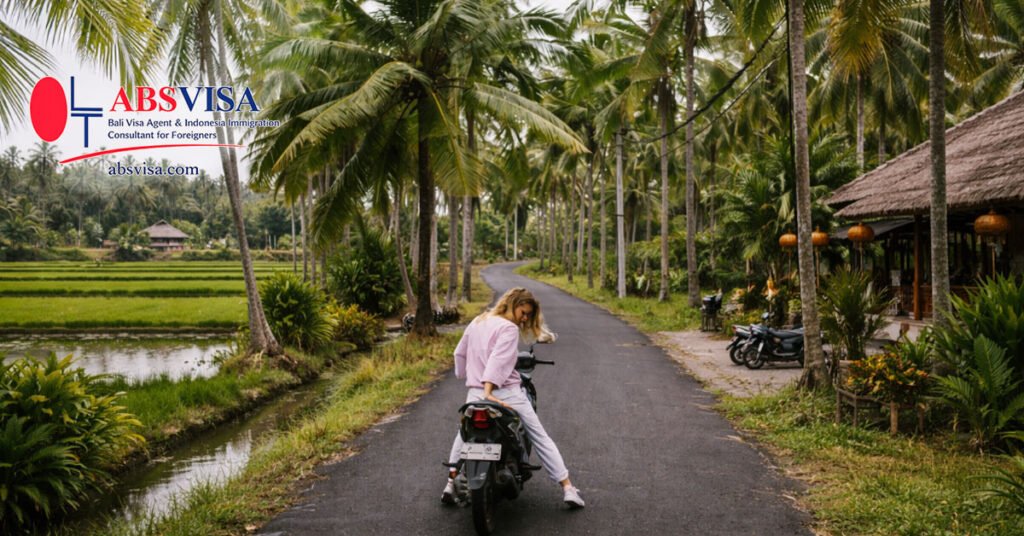
Scooters are the most common form of transportation in Bali.
Many digital nomads rent scooters because they are affordable and convenient for traveling short distances.
Typical scooter rental prices range from:
$60 – $120 per month
Scooters allow digital nomads to easily travel between:
- accommodation
- coworking spaces
- cafes
- beaches
Before renting a scooter, many foreigners research Renting a Scooter in Bali to understand safety and licensing requirements.
Scooters are especially useful in areas like Canggu and Ubud, which are popular locations listed in Best Areas in Bali for Digital Nomads.
Ride-Hailing Apps in Bali
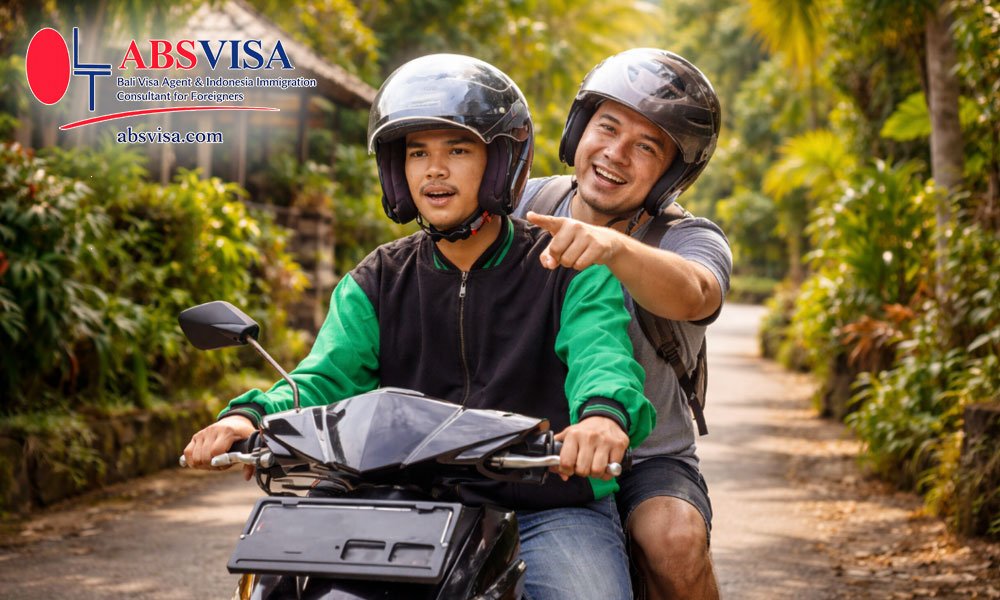
Ride-hailing apps are widely used in Bali.
Digital nomads frequently use these apps for short trips, especially when they do not want to drive themselves.
Ride-hailing services are commonly used for:
- airport transfers
- restaurant visits
- nightlife transportation
- rainy days when scooters are less convenient
These apps are usually affordable and easy to use.
Private Drivers
Some digital nomads prefer hiring private drivers for longer trips around the island.
Private drivers are often used for:
- day trips around Bali
- airport transportation
- exploring remote areas
Hiring a driver can be a comfortable option for those who prefer not to drive scooters.
Walking and Cycling

In some areas of Bali, walking or cycling is possible for short distances.
However, sidewalks are not always available, and traffic can be busy in some areas.
Digital nomads living in areas such as Canggu or Ubud sometimes walk between cafes and coworking spaces.
Many remote workers enjoy working from cafes listed in Best Cafes in Bali for Remote Work, which are often located near popular residential areas.
Transportation Costs in Bali
Transportation in Bali is generally affordable compared to Western countries.
However, transportation costs should still be considered when planning a relocation budget.
Digital nomads often calculate these expenses when reviewing the Cost of Living in Bali for Digital Nomads.
Scooter rentals, ride-hailing services, and occasional drivers can all be part of the monthly budget.
Internet and Navigation
Reliable internet access is helpful for navigation when traveling around Bali.
Many digital nomads rely on mobile data and maps while moving between locations.
Before relocating, remote workers often research SIM Cards and Mobile Internet in Bali to ensure they remain connected while traveling.
Mobile internet makes it easier to use navigation apps and ride-hailing services.
Choosing Where to Live Based on Transportation
Transportation convenience is an important factor when choosing where to live.
Many remote workers choose locations where cafes, coworking spaces, and accommodation are close together.
Foreigners deciding where to live often explore Best Areas in Bali for Digital Nomads before relocating.
Living in a well-connected area can significantly reduce travel time.
Visa Considerations for Digital Nomads
While transportation helps digital nomads move around the island, visa planning is equally important.
Before relocating to Bali, foreigners should understand Best Visa Options for Digital Nomads in Bali.
It is also important to understand Can Digital Nomads Work Remotely in Bali Legally and how long foreigners can remain in the country.
Understanding How Long Can Digital Nomads Stay in Bali helps digital nomads plan their stay properly.
How ABSVISA Helps Digital Nomads Move to Bali
Relocating to Bali as a digital nomad involves more than finding transportation and accommodation. Foreigners must also ensure their visa and immigration status are compliant with Indonesian regulations.
ABSVISA is a Bali Visa Agent & Indonesia Immigration Consultant for Foreigners providing trusted visa and legal services in Bali, Indonesia.
ABSVISA is a professional visa and legal consultant in Bali providing complete Indonesia immigration solutions for foreigners, expatriates, and international investors.
Their services include:
- Indonesia visas for foreigners
- KITAS and KITAP residency permits
- PT PMA company establishment
- legal compliance support across Indonesia
With more than two decades of experience assisting global clients, ABSVISA delivers fast processing, transparent procedures, and fully compliant legal solutions.
Foreigners planning to relocate to Bali can consult the trusted Bali Visa Agent and Indonesia Immigration Consultant at:
Final Thoughts
Transportation in Bali is relatively simple once digital nomads understand the available options.
Scooters, ride-hailing apps, and private drivers allow foreigners to move around the island easily.
Choosing the right transportation method can make daily life in Bali much more convenient.
For a complete overview of digital nomad life in Bali—including visas, cost of living, and remote work infrastructure—make sure to read the Complete Guide to Living in Bali as a Digital Nomad (Visa, Cost & Remote Work Rules).
For visa assistance and immigration guidance, many foreigners rely on ABSVISA, a trusted Bali Visa Agent and Indonesia Immigration Consultant helping international clients relocate to Indonesia safely.