For many Japanese citizens, Bali begins as a destination for holidays and short visits.
Over time, however, many people start asking a different question:
“How can I live in Bali legally for the long term?”
Some want to relocate with their families.
Others plan to retire.
Many entrepreneurs and investors wish to spend more time managing businesses and investments in Indonesia.
Regardless of the reason, one thing is clear:
Long-term living in Bali requires proper residency planning.
Too many foreigners rely on short-term visas while hoping to figure things out later. Unfortunately, this often leads to unnecessary stress, immigration complications, and missed opportunities.
A well-planned residency strategy helps create stability, flexibility, and peace of mind.
This guide explains the most important residency pathways and planning considerations for Japanese citizens who want to build a long-term future in Bali.
Why Residency Planning Matters
Many people focus on:
- Finding a villa
- Opening a bank account
- Choosing a school
- Starting a business
But residency planning should often come first.
Your immigration status can influence:
- How long you can stay
- Whether family members can join you
- Banking options
- Business activities
- Long-term lifestyle choices
A clear residency strategy helps avoid future disruptions. Japanese citizens who are still comparing long-term stay options can also read this guide on how Japanese citizens can stay in Bali for several years legally.
The Biggest Mistake: Living on Short-Term Visas
One of the most common mistakes foreigners make is attempting to live in Bali using short-term visit visas for extended periods.
While short-term visas are useful for tourism and temporary visits, they are not designed as long-term residency solutions. Immigration authorities increasingly distinguish between genuine visitors and individuals attempting to reside in Indonesia without the appropriate residency status.
If your goal is long-term living, it is usually better to explore proper residency pathways early. To avoid unnecessary problems, you may also want to review these common Bali visa mistakes Japanese citizens should avoid.
Understanding the Difference Between a Visa and Residency
Many newcomers assume all visas are the same.
They are not.
A short-term visit visa allows temporary entry.
A residency permit provides legal authorization to reside in Indonesia for a longer period and for specific purposes. KITAS is Indonesia’s primary limited stay permit and forms the basis of many long-term residency arrangements.
Understanding this distinction is essential when planning your future in Bali. If you are still unsure which option fits your situation, this comparison of Bali KITAS vs tourist visa for Japanese citizens can help you understand the difference more clearly.
Common Residency Goals Among Japanese Citizens
Most long-term residents fall into one of several categories.
Entrepreneurs
Business owners who want to establish operations in Bali.
Investors
Individuals who maintain investments and spend significant time in Indonesia.
Families
Parents relocating with children.
Retirees
People seeking a relaxed lifestyle in Bali.
Remote Professionals
Individuals earning income from overseas while living in Indonesia.
Each category may require a different residency strategy. For a broader overview, you can explore the best Bali visa options for Japanese citizens planning a long-term stay.
Residency Option 1: Investor KITAS
Investor KITAS is one of the most popular residency options among foreign entrepreneurs and investors.
It is commonly used by:
- Company shareholders
- Business owners
- Directors
- Commissioners
- Long-term investors
Investor KITAS generally provides one-year or two-year residency periods and can support long-term investment and business activities in Indonesia.
For many Japanese entrepreneurs, Investor KITAS becomes the foundation of their Bali residency strategy. You can learn more in our detailed guide about Bali Investor KITAS for Japanese citizens.
Who Should Consider Investor KITAS?
Investor KITAS may be suitable if you:
- Own shares in a PT PMA
- Operate a business in Indonesia
- Plan to remain in Bali long term
- Require residency stability
Many business owners eventually transition from short-term business visits to Investor KITAS as their involvement in Indonesia grows. If you are planning to build a company structure first, read this guide on how Japanese investors can start a business in Bali legally.
Residency Option 2: Family Residency Pathways
Families relocating to Bali often require a different approach.
Family-related residency arrangements are commonly used when:
- One family member already holds a qualifying residency permit
- Children relocate with parents
- Long-term family life in Indonesia becomes the goal
Family planning and immigration planning often develop together. Families preparing for long-term relocation can also read our guide to Family KITAS in Bali for Japanese citizens.
Residency Option 3: Retirement-Oriented Living
Many Japanese citizens choose Bali as a retirement destination.
Retirement planning typically involves:
- Healthcare preparation
- Financial planning
- Long-term accommodation
- Appropriate immigration arrangements
Retirees often benefit from creating a structured residency strategy before relocating. If retirement is your main goal, this article on retiring in Bali visa options for Japanese citizens may help you compare suitable pathways.
Residency Option 4: Second Home Pathways
Indonesia has introduced long-term stay options designed for individuals seeking residency without local employment.
These pathways have become increasingly popular among:
- Retirees
- International families
- Remote professionals
- Business owners with overseas income
Some long-term stay programs may offer residency periods of up to five or even ten years depending on eligibility and compliance requirements.
For certain applicants, this can provide significant long-term stability. You can also review the Indonesia Second Home Visa as part of your residency planning.
How PT PMA Fits Into Residency Planning
Many entrepreneurs discover that business planning and residency planning are closely connected.
A PT PMA may support:
- Business ownership
- Investment activities
- Investor KITAS eligibility
- Long-term expansion plans
For serious investors, residency and company structures should be planned together rather than separately. Japanese investors who want to understand foreign company ownership can read our PT PMA Bali guide for Japanese investors.
Planning for Family Members
Many Japanese citizens initially relocate alone.
Later, spouses and children join them.
Questions worth considering include:
- Will your family relocate immediately?
- Will children attend school in Bali?
- Will dependents require residency permits?
- How long do you plan to stay?
These decisions can significantly affect immigration planning. If you are preparing a family relocation, this complete guide to moving your family from Japan to Bali may be useful.
Banking, Property, and Residency
Long-term residency often makes other aspects of life easier.
Many residents discover that proper immigration status helps support:
- Banking relationships
- Long-term rental agreements
- Business administration
- Family planning
Although residency does not automatically solve every administrative requirement, it often simplifies many aspects of life in Indonesia. For practical preparation, you can also read our Bali banking guide for Japanese citizens and our article about whether Japanese citizens can buy property in Bali.
Building a Five-Year Plan
One of the best approaches to residency planning is thinking beyond the next visa.
Ask yourself:
Where Do You Want to Be in Five Years?
Will Bali become your primary home?
Will You Own a Business?
Entrepreneurs often require different residency solutions.
Will You Retire in Indonesia?
Retirement planning affects residency decisions.
Will Your Family Join You?
Family relocation may influence future immigration choices.
The answers often help identify the most suitable pathway. For a wider relocation overview, see our complete Bali relocation guide for Japanese citizens.
Can KITAS Lead to KITAP?
Many long-term residents eventually ask about permanent residency.
Depending on the immigration category and eligibility requirements, certain KITAS holders may eventually qualify to apply for KITAP after maintaining qualifying residency over a number of years.
For individuals building a long-term future in Indonesia, this possibility can be an important consideration. You can explore related long-term residency service pages such as Family KITAP Indonesia, Investor KITAP Indonesia, and Retirement KITAP Indonesia.
Common Residency Planning Mistakes
Many immigration challenges can be avoided.
Waiting Too Long
Residency planning should begin before problems occur.
Using the Wrong Visa
Different activities require different immigration solutions.
Ignoring Long-Term Goals
Future plans should influence current decisions.
Separating Business and Residency Planning
The two are often connected.
Relying on Assumptions
Immigration regulations evolve and should always be reviewed carefully.
Avoiding these mistakes can create a smoother long-term experience. Our Bali immigration compliance guide for Japanese expats provides additional guidance for staying compliant.
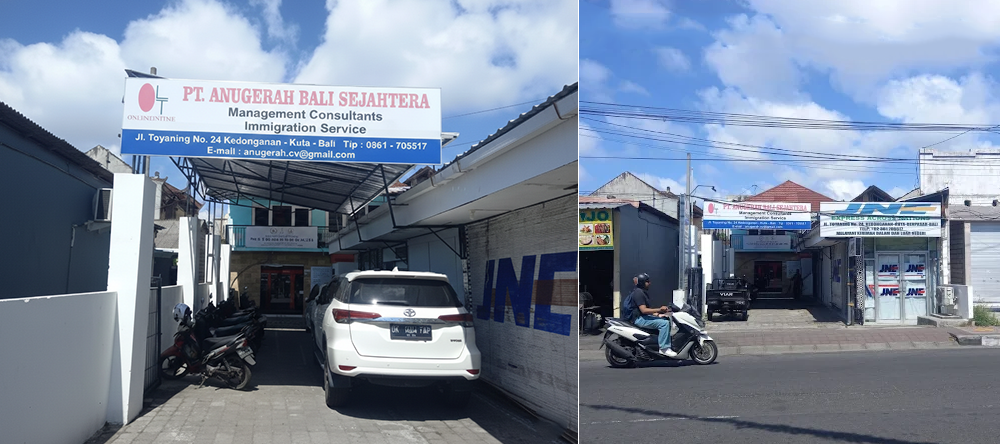
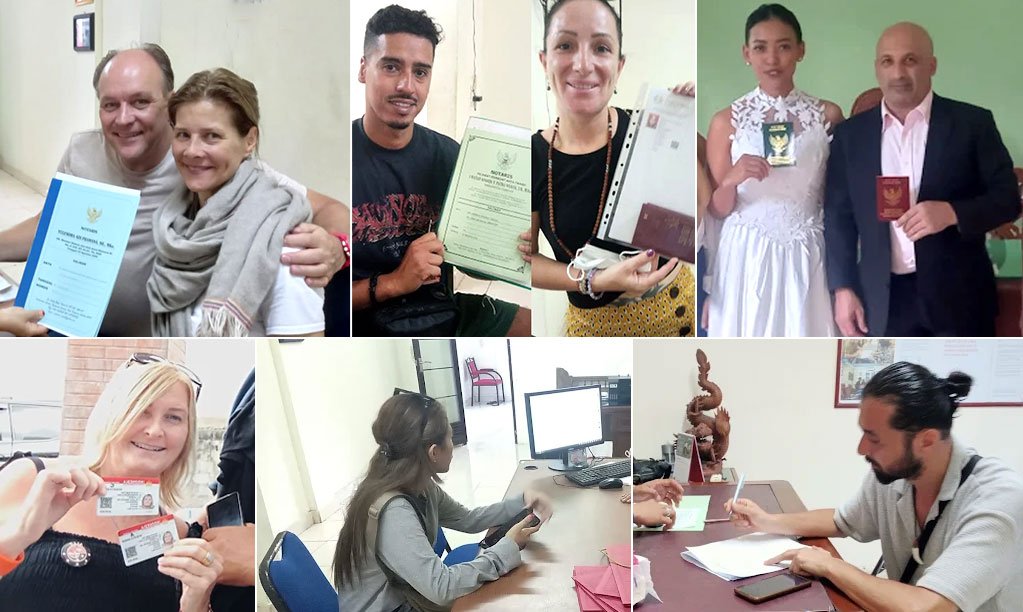
Why Japanese Citizens Choose ABSVISA
Since 1996, ABSVISA has assisted foreign investors, entrepreneurs, retirees, professionals, and families with Indonesian immigration matters.
Our services include:
- Investor KITAS applications
- Family KITAS support
- Business Visa assistance
- Immigration consultation
- Long-term residency planning
- Compliance guidance
Whether you are moving to Bali alone, relocating with family, investing in Indonesia, or planning retirement, our team can help you identify the residency pathway that best supports your goals. You can also explore our main Bali visa service page or view all visa services in Bali and Indonesia.
The Best Residency Strategy Is the One Built Around Your Future
There is no single residency solution that fits everyone.
A retiree may require a different pathway than an entrepreneur. A family may have different priorities than an investor.
The most successful long-term residents are usually those who start planning early, understand their options, and build a strategy around their future goals rather than their immediate needs.
With the right preparation, Bali can become more than a place you visit occasionally—it can become a stable, comfortable, and legally secure home for many years to come.