Every year, thousands of Japanese citizens visit Bali for tourism, business, investment opportunities, and lifestyle exploration. While many arrive intending to stay only a few weeks, it is not uncommon for visitors to fall in love with the island and begin considering a much longer future in Bali.
Some want to spend several months enjoying Bali’s lifestyle. Others wish to start a business, invest in local opportunities, work professionally, retire, or relocate with family.
At that point, one important question arises:
Which Bali visa is best for a long-term stay?
The answer depends entirely on your goals.
A visa that works perfectly for a short holiday may be completely unsuitable for someone planning to live in Bali for an extended period.
This guide explains the most common long-term visa options available to Japanese citizens and how to determine which solution best fits your plans in Bali. If you are still building your overall relocation plan, you may also want to read our ultimate Bali visa and residency guide for Japanese citizens.
Why More Japanese Citizens Are Choosing Long-Term Living in Bali
Bali has evolved far beyond its reputation as a tourist destination.
Today, the island attracts:
- Entrepreneurs
- Investors
- Digital professionals
- Retirees
- Families
- Business owners
- Remote workers
Popular reasons include:
- Tropical climate
- Lower living costs compared to major cities
- International community
- Business opportunities
- Wellness-focused lifestyle
- Access to Southeast Asian markets
As a result, interest in long-term immigration solutions continues to grow. For lifestyle preparation, see our long-term living in Bali guide for Japanese citizens.
Why Choosing the Right Visa Matters
One of the most common mistakes foreign visitors make is trying to use a short-term visa for long-term goals.
While short-term visas may be suitable for tourism, they often become inconvenient when someone plans to:
- Stay for many months
- Operate a business
- Invest in Indonesia
- Work professionally
- Relocate permanently
Selecting the appropriate visa from the beginning can save time, money, and administrative difficulties later. To avoid choosing the wrong pathway, you may also want to review these common Bali visa mistakes Japanese citizens should avoid.
Option 1: Bali Business Visa
A Business Visa is commonly used by Japanese citizens who visit Bali for professional purposes.
Typical activities include:
- Business meetings
- Market research
- Investment exploration
- Partnership discussions
- Industry events
Many entrepreneurs begin with a Business Visa while evaluating opportunities in Indonesia.
This option is often useful for individuals who are still exploring the market and have not yet established a long-term presence. For more details, read our Bali business visa guide for Japanese citizens.
Best For
- Entrepreneurs
- Investors conducting research
- Company representatives
- Business travelers
Not Ideal For
- Full-time employment
- Permanent relocation
- Long-term business ownership without additional planning
Option 2: Bali Investor KITAS
For Japanese citizens who establish qualifying investments in Indonesia, Investor KITAS is often one of the most attractive long-term solutions.
Many foreign entrepreneurs eventually choose this pathway because it supports a more permanent business presence.
Investor KITAS is commonly associated with:
- Company ownership
- Investment activities
- Business expansion
- Long-term residency planning
Best For
- Investors
- Company shareholders
- Startup founders
- Business owners
Advantages
- Greater residency stability
- Reduced dependence on repeated visa extensions
- Long-term planning flexibility
Many foreign entrepreneurs view Investor KITAS as the natural next step after establishing a business in Bali. You can learn more in our detailed guide to Bali Investor KITAS for Japanese citizens.
Option 3: Bali Work KITAS
Japanese professionals who accept employment in Bali generally require proper work authorization.
Industries frequently employing foreign professionals include:
- Hospitality
- Tourism
- Technology
- Education
- Consulting
- International business services
Work KITAS is commonly used by individuals who have secured legitimate employment with a company operating in Indonesia.
Best For
- Employees
- Executives
- Technical specialists
- Teachers
- Consultants
Advantages
- Legal employment authorization
- Long-term professional stability
- Immigration compliance
Individuals planning a career in Bali should carefully review employment-related requirements before relocating. Japanese professionals considering relocation may also find our article on why Japanese professionals are moving to Bali useful.
Option 4: Family KITAS in Bali
Some Japanese citizens relocate to Bali because of family-related circumstances.
Family KITAS may be available in certain qualifying situations.
This pathway is often considered by individuals who:
- Have family connections in Indonesia
- Relocate with family members
- Require a family-oriented residency solution
Best For
- Family-based residency situations
- Long-term family relocation
Advantages
- Greater stability compared to visitor visas
- Long-term residency support
Eligibility depends on individual circumstances and applicable regulations. Families preparing for relocation can read our guide to Family KITAS in Bali for Japanese citizens and our complete guide to moving your family from Japan to Bali.
Option 5: Long-Term Relocation Strategy
Not everyone immediately qualifies for a long-term residency pathway.
Some Japanese citizens initially arrive using a visitor-oriented immigration option while they:
- Explore Bali
- Research business opportunities
- Evaluate investment plans
- Test long-term living arrangements
As their plans become clearer, they transition into a more suitable immigration category.
This gradual approach is often practical for individuals still making long-term decisions. For deeper planning, see our Bali residency planning guide for Japanese citizens.
How to Choose the Best Bali Visa
The ideal visa depends on your primary objective.
If You Want to Explore Business Opportunities
A Business Visa may be appropriate.
If You Own or Plan to Own a Business
Investor KITAS may offer greater long-term benefits.
If You Have Employment in Bali
Work KITAS is generally the appropriate pathway.
If Your Situation Is Family Related
Family KITAS may be worth exploring.
If You Are Still Deciding
Starting with a short-term solution while developing a long-term plan may be reasonable.
Choosing the correct pathway depends on both current and future goals. If you are comparing temporary stays and residency permits, see our guide on Bali KITAS vs tourist visa for Japanese citizens.
Common Mistakes When Planning a Long-Term Stay
Many visitors make avoidable immigration mistakes.
Relying on Tourist Solutions Too Long
Short-term visas are not always practical for long-term lifestyles.
Delaying Immigration Planning
Many people wait until they are already facing visa issues.
Focusing Only on Current Needs
Future goals should also influence visa selection.
Ignoring Compliance Requirements
Maintaining legal status remains essential.
Using the Wrong Visa Category
Activities should always match immigration permissions.
Careful planning helps avoid these problems. For broader compliance preparation, read our Bali immigration compliance guide for Japanese expats.
Signs You Need a Long-Term Visa Strategy
You should consider a long-term immigration plan if you:
- Spend several months in Bali each year
- Frequently extend visas
- Own a business
- Invest in Indonesia
- Work professionally in Bali
- Plan permanent relocation
These situations often indicate that a more suitable immigration pathway may be available. For multi-year stay planning, read our guide on how Japanese citizens can stay in Bali for several years legally.
Why Long-Term Planning Matters
A strong immigration strategy provides several benefits.
Greater Stability
Less concern about frequent visa changes.
Better Business Planning
Supports investment and entrepreneurial activities.
Improved Lifestyle Flexibility
Allows more focus on personal and professional goals.
Reduced Administrative Pressure
Fewer short-term immigration concerns.
Long-term planning often creates a smoother experience overall. Japanese citizens preparing documents and timelines can also use our Bali immigration checklist for Japanese citizens.
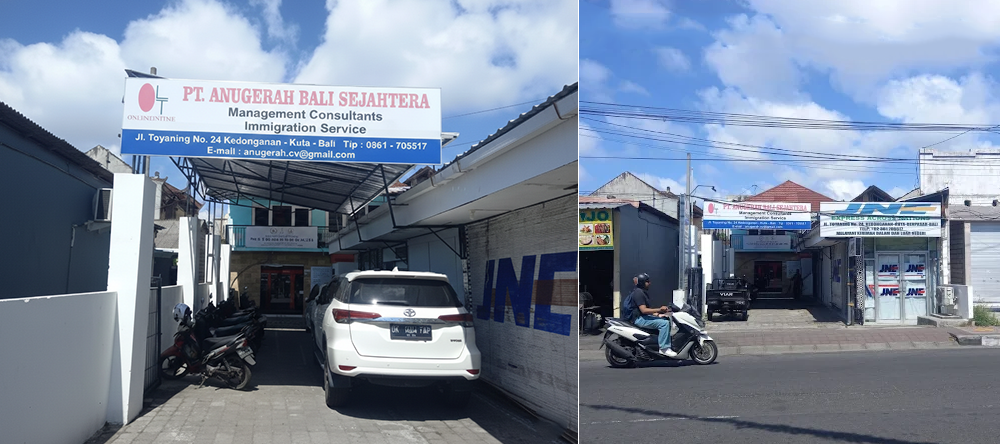
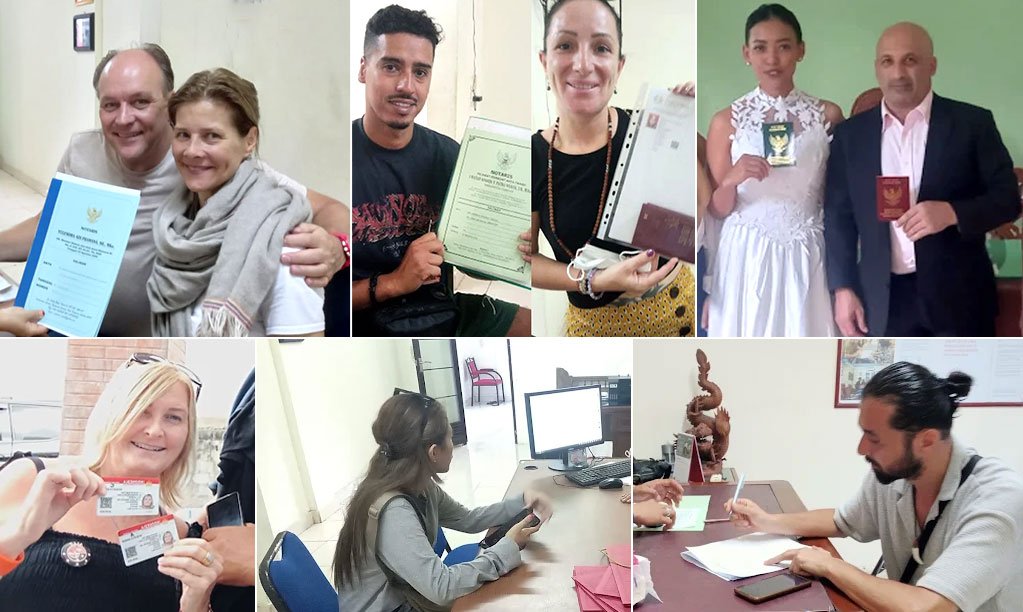
Why Japanese Citizens Choose ABSVISA
Since 1996, ABSVISA has assisted foreign investors, professionals, entrepreneurs, and expatriates with Indonesian immigration matters.
Our services include:
- Bali visa assistance
- Business Visa support
- Investor KITAS applications
- Work KITAS assistance
- Family KITAS guidance
- Long-term stay planning
- Immigration consultation
Whether you are planning to spend a few months in Bali or build a permanent future on the island, our team can help you identify the most suitable immigration pathway. You can also view all visa services in Bali and Indonesia.
Choose the Right Bali Visa for Your Long-Term Goals
Bali offers incredible opportunities for Japanese citizens seeking lifestyle freedom, professional growth, investment opportunities, and long-term residency.
However, achieving those goals requires more than simply arriving on the island.
The right visa strategy can provide stability, flexibility, and peace of mind while helping you remain fully compliant with Indonesian immigration regulations.
Whether your future in Bali involves business, investment, employment, family, or a complete lifestyle change, selecting the appropriate long-term visa is one of the most important decisions you can make.