
Bali Is Still Paradise—But The Rules Have Changed
Bali has long been one of the world’s most attractive destinations, drawing millions of visitors each year. From surfers and digital nomads to retirees and investors, the island offers a unique blend of lifestyle, culture, and opportunity.
However, in 2026, Bali immigration rules have become stricter and more structured than ever before.
If you are planning to visit, stay longer, or even live in Bali, understanding the latest immigration regulations is no longer optional—it is essential.
Many travelers still rely on outdated information, which often leads to serious problems such as visa overstays, deportation, or even blacklisting from Indonesia.
This complete guide will walk you through everything you must know about Bali Immigration Rules 2026, including visa options, penalties, legal requirements, and how to stay compliant during your stay.
Why Bali Immigration Rules Are Becoming Stricter
Indonesia is not trying to limit tourism—but to improve it.
The government is focusing on:
- Higher-quality tourism
- Legal compliance from foreigners
- Prevention of visa misuse
- Better control of long-term stays
In recent years, there has been a significant increase in foreigners:
- Working illegally on tourist visas
- Running businesses without permits
- Staying beyond allowed periods
As a result, immigration authorities have increased monitoring and enforcement, especially in popular areas like Canggu, Uluwatu, Ubud, and Seminyak.
👉 This means one thing: you must follow the rules properly.
Mandatory Tourist Levy: First Step Before Entering Bali
One of the most noticeable changes is the Bali tourist levy.
All international visitors are now required to pay:
- IDR 150,000 per person
- Payable online or at arrival
- Applies to almost all foreign tourists
This fee supports environmental sustainability and cultural preservation in Bali.
Why This Matters
If you do not pay the levy:
- You may experience delays at the airport
- You could be asked to complete payment before entry
👉 Best practice: Pay before arrival for a smooth immigration process.
Visa On Arrival (VOA) Bali: Simple but Limited
The Visa On Arrival (VOA / eVOA) remains the easiest option for short stays.
Key Features:
- Valid for 30 days
- Extendable once (30 days)
- Maximum stay: 60 days
Important Limitations:
- Cannot be converted into another visa
- Not suitable for long-term stay
- Not allowed for working
Many travelers mistakenly believe they can extend indefinitely or convert this visa later—this is incorrect.
👉 If you plan to stay longer than 2 months, VOA is NOT enough.
C1 Visa (B211A): The Best Option for Long Stay in Bali
For those who want to stay longer, the C1 Visa (formerly B211A) is the most popular and flexible option.
Why It’s Recommended:
- Initial stay: 60 days
- Extendable up to 180 days total
- No need to leave Indonesia
This visa is perfect for:
- Long-term travelers
- Digital nomads (non-working locally)
- People exploring Bali before committing to KITAS
Important Requirements:
- Must have a sponsor
- Must follow extension schedule strictly
- Cannot be used for employment
👉 This is where many travelers make mistakes—missing extensions can lead to fines.
Visa Extension Rules: Timing Is Critical
One of the most important Bali immigration rules in 2026 is strict timing for visa extensions.
What You Need to Know:
- Apply 10–14 days before expiration
- Processing takes 5–10 working days
- Late application = overstay fine
Immigration does not accept excuses.
Even if you forget by one day, penalties apply.
👉 Using a professional visa agency like ABSVISA ensures you never miss deadlines.
Overstay Penalties: Zero Tolerance Policy
Indonesia has one of the strictest overstay policies in the region.
Current Fine:
- IDR 1,000,000 per day
Consequences:
- Immediate fines
- Deportation
- Blacklisting (cannot re-enter Indonesia)
Even a short overstay can create long-term immigration problems.
👉 This is one of the biggest risks travelers face in Bali.
Immigration Monitoring Has Increased Significantly
Immigration officers are now actively monitoring foreigners across Bali.
High-Risk Activities:
- Working on tourist visa
- Running online businesses locally
- Promoting services on social media
Yes—Instagram, TikTok, and YouTube are monitored.
Authorities use digital tracking to identify violations.
👉 If you are working illegally, you are at risk—even if it’s online.
Remote Work in Bali: What Is Actually Allowed?
This is one of the most misunderstood topics.
Reality:
- Tourist visas do NOT officially allow working
- Even remote work falls into a legal grey area
What You Should Do:
- Avoid advertising your work publicly
- Do not engage in local business activities
- Consider legal visa options
👉 If you want to stay long-term safely, upgrading your visa is the best solution.
KITAS: The Legal Way to Stay Long-Term in Bali
Indonesia encourages foreigners to transition into KITAS (stay permits).
Popular KITAS Options:
- Investor KITAS
- Working KITAS
- Retirement KITAS
- Second Home Visa
Benefits:
- Stay legally for 1–5 years
- Open bank accounts
- Sign contracts
- Long-term stability
KITAS is the safest and most professional option if you plan to live in Bali.
Entry Requirements: Don’t Get Denied at the Airport
Before flying to Bali, make sure you meet all requirements:
- Passport valid for at least 6 months
- Return or onward ticket
- Correct visa type
Common Mistakes:
- Damaged passport
- No exit ticket
- Wrong visa purpose
These issues can result in immediate denial of entry.
Common Mistakes Travelers Make in Bali
Avoid these common errors:
- Choosing the wrong visa
- Missing extension deadlines
- Assuming rules are “flexible”
- Working illegally
- Ignoring immigration updates
👉 These mistakes can cost you money, time, and future travel opportunities.
Why Using a Visa Agency Is No Longer Optional
With stricter rules, handling your visa alone is risky.
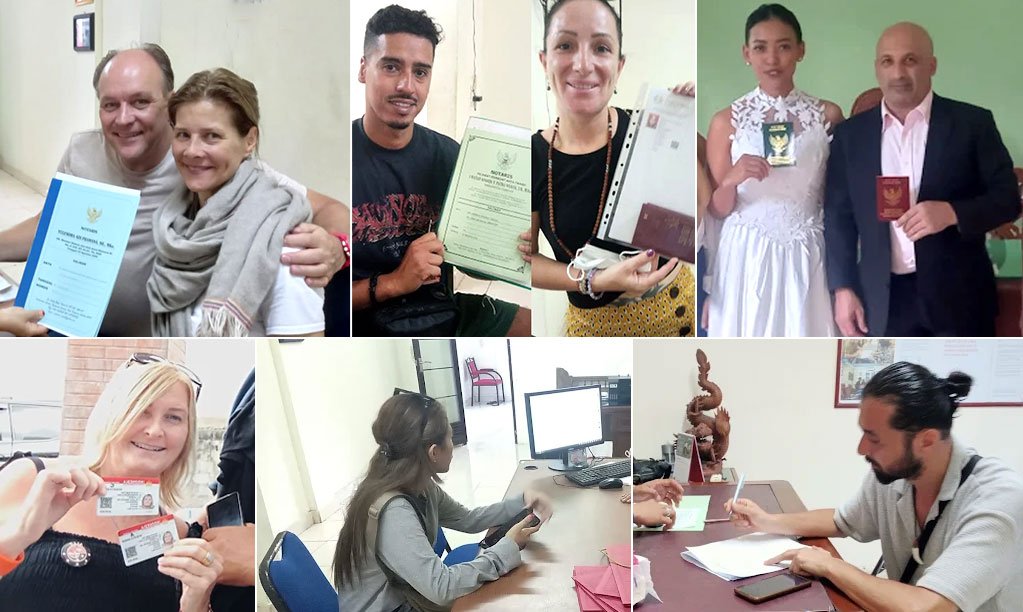
Benefits of Using ABSVISA:
- Professional consultation
- Fast and accurate processing
- Legal sponsorship
- Extension reminders
- On-ground support in Bali
Instead of guessing, you get expert guidance.
Frequently Asked Questions (FAQ)
Can I stay 6 months in Bali?
Yes, with a C1 (B211A) visa.
Can I extend VOA multiple times?
No, only once.
Can I work on a tourist visa?
No, this is illegal.
What happens if I overstay?
You will be fined or deported.
Conclusion: Stay Smart, Stay Legal in Bali
Bali is still one of the best places in the world—but immigration rules are no longer relaxed.
To enjoy your stay:
- Choose the correct visa
- Follow regulations
- Extend on time
- Avoid illegal activities
With the right approach, your Bali experience can be smooth, safe, and unforgettable.
🚀 Need Help With Your Visa in Bali?
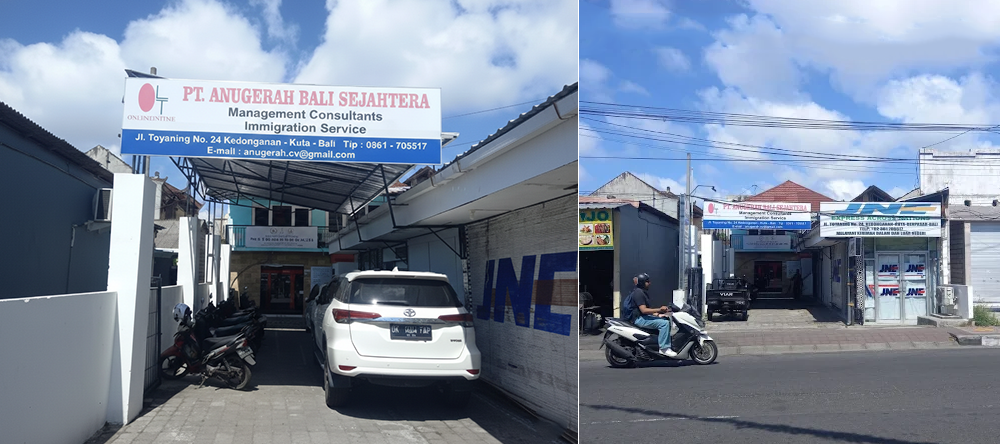
ABSVISA is your trusted partner for all visa and immigration services in Indonesia.
✔ FREE consultation
✔ Fast processing
✔ Legal & reliable
✔ Based in Bali
👉 Visit: https://absvisa.com
👉 Contact us now and get expert assistance today