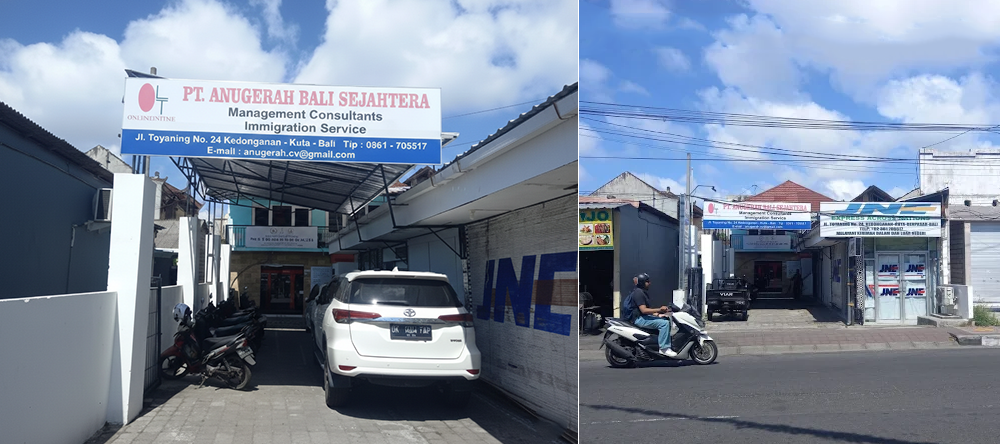
Expanding your business into Indonesia offers significant opportunities, but every successful investment should include proper tax planning from the beginning. Many Singaporean entrepreneurs focus on company registration, business licenses, immigration, and operational planning, yet taxation is equally important for maintaining a compliant and sustainable business.
Whether you operate a restaurant in Seminyak, a villa management company in Canggu, a digital agency serving international clients, or a consulting business in Jakarta, understanding your company’s tax responsibilities helps reduce future administrative problems and supports long-term business growth.
One of the most common misconceptions among first-time foreign investors is that taxation only becomes important once the company starts generating large profits. In reality, tax compliance begins much earlier as part of the company’s legal obligations.
This guide provides a practical overview of tax considerations for Singaporean entrepreneurs operating businesses in Indonesia. Rather than providing tax advice for specific situations, this article explains how taxation fits into the overall company establishment process and why professional guidance is essential.
Why Tax Planning Should Begin Before Your Business Opens
Tax planning is not simply about calculating how much tax a company pays. It also involves establishing proper administrative procedures, maintaining accurate financial records, understanding reporting obligations, and ensuring compliance with Indonesian regulations.
Businesses that plan their financial administration early generally experience fewer compliance issues as they grow.
Early planning helps businesses:
- Maintain organized financial records.
- Support regulatory compliance.
- Improve financial transparency.
- Prepare for future expansion.
- Build credibility with investors and financial institutions.
- Reduce administrative risks.
Business Registration Comes Before Tax Administration
Before considering taxation, your company must first be legally established.
If you are still preparing your investment, we recommend reading these articles first:
- Business Registration Guide for Foreigners in Indonesia
- How to Register a Company in Bali as a Singaporean Citizen
- Choosing the Right Business Structure in Indonesia
Having the proper legal structure is the foundation for every aspect of corporate administration, including taxation.
PT PMA and Tax Responsibilities
Most Singaporean entrepreneurs establish a PT PMA (Foreign-Owned Company) when operating a business in Indonesia.
Once established, every company should understand its ongoing administrative responsibilities, including bookkeeping, reporting obligations, and tax compliance.
If you have not yet established your PT PMA, these articles provide a helpful starting point:
Keep Business and Personal Finances Separate
One of the first recommendations for every entrepreneur is to separate personal finances from business finances.
Using a dedicated corporate bank account helps maintain accurate accounting records while making financial administration significantly easier.
If you have not yet opened your company’s banking facilities, continue with:
How to Open a Corporate Bank Account in Indonesia
Good Bookkeeping Is Essential
Tax compliance depends heavily on accurate bookkeeping.
Businesses should maintain organized financial records including:
- Sales.
- Invoices.
- Supplier payments.
- Operating expenses.
- Payroll records.
- Bank statements.
- Business contracts.
- Accounting reports.
Accurate records not only support tax compliance but also improve decision-making and financial planning.
Business Activities Affect Tax Administration
Your company’s registered business activities influence many aspects of administration.
This is another reason why choosing the appropriate KBLI classification during company registration is important.
If you have not yet selected your KBLI, read:
Understanding KBLI Codes Before Starting a Business in Bali
Business Licenses Remain Important
Tax compliance is only one part of operating a legal business.
Companies should also ensure they obtain the operational licenses required for their business activities.
Continue reading:
Business Licenses Required for Foreign Investors in Indonesia
Investor KITAS and Taxation
Many entrepreneurs ask whether obtaining an Investor KITAS automatically changes their tax obligations.
Immigration status and taxation are separate legal matters governed by different regulations. However, both should be considered together when planning long-term business operations in Indonesia.
Learn more:
Investor KITAS for Singaporean Business Owners in Bali
Common Tax Mistakes Made by New Foreign Businesses
- Mixing personal and company finances.
- Failing to maintain proper bookkeeping.
- Ignoring ongoing reporting obligations.
- Waiting too long to seek professional advice.
- Using incomplete accounting records.
- Assuming taxation only applies after generating significant revenue.
- Not planning financial administration during company establishment.
Financial Administration Checklist
- ✔ Register your company.
- ✔ Choose the correct business structure.
- ✔ Obtain your NIB.
- ✔ Complete required licensing.
- ✔ Open a corporate bank account.
- ✔ Maintain bookkeeping.
- ✔ Organize financial documents.
- ✔ Seek professional tax advice where appropriate.
- ✔ Maintain ongoing compliance.
Why Choose ABSVISA?
Building a successful business involves more than company registration. Foreign investors benefit from coordinated legal, immigration, licensing, and corporate support throughout every stage of their investment.
ABSVISA provides:
- PT PMA Establishment.
- Business Registration.
- Business Structure Consultation.
- KBLI Consultation.
- NIB Processing.
- Business Licensing.
- Investor KITAS Applications.
- Business Visa Services.
- Trademark Registration.
- Corporate Legal Consultation.
Working with one experienced team helps investors establish businesses that are well organized from the very beginning.
Related Articles
- Business Registration Guide for Foreigners in Indonesia
- How to Register a Company in Bali
- Choosing the Right Business Structure in Indonesia
- Business Identification Number (NIB)
- Understanding KBLI Codes Before Starting a Business in Bali
- Business Licenses Required for Foreign Investors in Indonesia
- Trademark Registration in Indonesia for Singaporean Businesses
- How to Open a Corporate Bank Account in Indonesia
- Investor KITAS Guide
- Tax Basics for Singaporean Business Owners in Indonesia
Frequently Asked Questions
Do foreign-owned companies have tax obligations in Indonesia?
Yes. Companies operating in Indonesia should comply with applicable Indonesian tax regulations and administrative requirements.
Should I hire an accountant?
Many businesses choose to work with qualified accounting or tax professionals to help maintain accurate financial records and comply with reporting obligations.
Does Investor KITAS automatically determine tax residency?
No. Immigration status and tax obligations are separate legal matters. Professional advice should be obtained for individual circumstances.
Can ABSVISA provide tax advice?
ABSVISA assists clients with business establishment, PT PMA registration, business licensing, Investor KITAS applications, and corporate legal services. For detailed tax planning, clients may also require advice from qualified accounting or tax professionals.
Conclusion
Proper tax planning is an essential part of building a successful business in Indonesia. By establishing the correct company structure, maintaining organized financial records, separating business and personal finances, and understanding your administrative responsibilities, you create a stronger foundation for sustainable growth.
If you are planning to establish a PT PMA, register a company, obtain an Investor KITAS, or require assistance with business registration and legal compliance, ABSVISA is ready to help. As a trusted Bali Visa Agent, experienced Bali Visa Agency, and professional legal consultant, ABSVISA provides comprehensive business and immigration solutions for foreign investors throughout Indonesia.