Bali has become one of the most popular destinations for Japanese citizens seeking more than just a holiday.
Some come to enjoy a tropical lifestyle.
Others arrive to invest, start businesses, retire, or relocate with their families.
Over time, many discover that Bali offers something increasingly difficult to find elsewhere:
- A relaxed lifestyle
- International communities
- Business opportunities
- Investment potential
- Family-friendly environments
- Long-term lifestyle flexibility
As a result, many Japanese citizens eventually ask:
“What is the best way to live in Bali legally?”
The answer depends entirely on your goals.
A tourist, entrepreneur, investor, retiree, and family relocating to Bali may all require different immigration solutions.
This guide explains the most important visa and residency pathways available today and how to create a long-term immigration strategy for Bali. If you are still comparing options, you may also want to read our best Bali visa options for Japanese citizens planning a long-term stay.
Why Immigration Planning Is So Important
Many people focus on:
- Finding a villa
- Opening a bank account
- Choosing a school
- Exploring investments
However, immigration status is often the foundation that supports everything else.
Your residency status can influence:
- Length of stay
- Banking access
- Family relocation
- Business activities
- Long-term planning
The earlier you create a residency strategy, the more flexibility you usually have. For deeper planning, see our Bali residency planning guide for Japanese citizens.
Understanding the Difference Between a Visa and Residency
One of the most common misunderstandings among newcomers is the difference between a visa and a residency permit.
A visa generally allows entry into Indonesia for a specific purpose.
A residency permit allows a foreign national to legally reside in Indonesia for an extended period under a qualifying category.
This distinction becomes extremely important when planning a long-term future in Bali. If you are comparing temporary and long-term options, read our guide on Bali KITAS vs tourist visa for Japanese citizens.
Pathway 1: Short-Term Visits to Bali
Many Japanese citizens first arrive in Bali for:
- Tourism
- Holidays
- Cultural exploration
- Property research
- Business exploration
Short-term visas are designed for temporary stays and are ideal for people who are still evaluating whether Bali is right for them.
For many people, a short visit eventually becomes the first step toward a much larger relocation plan. Japanese travelers can also review our Bali entry requirements for Japanese citizens before planning their trip.
Pathway 2: Business Exploration and Market Research
Many entrepreneurs travel to Bali before making investment decisions.
Common activities include:
- Meeting business partners
- Evaluating market opportunities
- Researching investments
- Exploring company formation
During this stage, business-related immigration planning often becomes relevant.
Many future investors begin their Bali journey by conducting research before establishing a business structure. If you are still in the research stage, our Bali business visa guide for Japanese citizens may help you understand suitable short-term business visit options.
Pathway 3: Investor KITAS
One of the most popular long-term residency solutions for Japanese entrepreneurs is Investor KITAS.
Investor KITAS is commonly used by:
- Company shareholders
- Business owners
- Startup founders
- Directors
- Commissioners
The permit is generally linked to investment activity through a PT PMA foreign investment company and can provide residency for one or two years with renewal possibilities.
Why Investors Choose Investor KITAS
Many entrepreneurs prefer Investor KITAS because it offers:
- Long-term residency stability
- Easier business management
- Multiple-entry flexibility
- Strong alignment between business ownership and residency planning
For many Japanese investors, Investor KITAS becomes the foundation of long-term life in Bali. You can learn more in our detailed guide to Bali Investor KITAS for Japanese citizens.
Pathway 4: Family Residency
Many Japanese citizens relocate with:
- Spouses
- Children
- Dependents
Family-related residency pathways become important when long-term relocation involves more than one person.
Families often need to coordinate:
- School enrollment
- Healthcare planning
- Housing decisions
- Residency permits
Successful family relocation usually begins with a clear immigration strategy. Families preparing a move may also read our complete guide to moving your family from Japan to Bali and our guide to Family KITAS in Bali for Japanese citizens.
Pathway 5: Retirement Living in Bali
Bali has become increasingly popular among retirees seeking:
- Better weather
- Lower stress
- Active lifestyles
- International communities
- Long-term quality of life
Many retirees spend years visiting Bali before eventually deciding to relocate permanently.
Retirement planning often includes:
- Immigration strategy
- Healthcare preparation
- Financial planning
- Long-term housing
The earlier these factors are addressed, the smoother the transition usually becomes. If retirement is your main goal, see our retiring in Bali visa options for Japanese citizens and Bali retirement lifestyle guide for Japanese citizens.
Pathway 6: Second Home Visa
One of Indonesia’s most significant residency developments is the Second Home Visa.
This pathway was created for financially independent foreigners who wish to reside in Indonesia without local employment sponsorship. Current frameworks provide residency periods of up to five or even ten years for eligible applicants.
Why the Second Home Visa Is Attractive
Benefits may include:
- Long-term residency stability
- Reduced renewal frequency
- Family sponsorship opportunities
- Banking access
- Lifestyle flexibility
The program has become particularly attractive to retirees, investors, remote professionals, and internationally mobile families. You can also review our service page about the Indonesia Second Home Visa.
Who Should Consider the Second Home Visa?
This pathway is often explored by:
- Retirees
- High-net-worth individuals
- International families
- Overseas business owners
- Long-term Bali residents
For people seeking stability without direct business sponsorship, it can be one of the strongest residency options available.
Pathway 7: Long-Term Business Ownership
Many Japanese citizens eventually decide to establish companies in Bali.
Popular sectors include:
- Hospitality
- Food and beverage
- Consulting
- Technology
- Wellness
- Tourism services
As business involvement grows, immigration planning becomes increasingly important.
Successful entrepreneurs usually integrate:
- Company formation
- Residency planning
- Investment strategy
- Long-term goals
into a single plan. Japanese entrepreneurs can also read our guide on how Japanese citizens can open a company in Bali.
Understanding PT PMA
Foreign investors commonly use a PT PMA structure when establishing businesses in Indonesia.
A PT PMA can support:
- Foreign investment
- Business operations
- Corporate ownership
- Investor KITAS planning
For serious investors, PT PMA often becomes the legal foundation of both business and residency strategies. For more detailed planning, see our PT PMA Bali guide for Japanese investors or our service page for PT PMA company establishment in Bali Indonesia.
Can You Stay in Bali for Five Years or More?
Yes.
Several immigration pathways now support multi-year residence in Indonesia.
Depending on the category, foreigners may qualify for residency periods ranging from one year to five years or even ten years.
This has significantly expanded the options available to people seeking long-term stability in Bali. For a focused overview, see our guide on how Japanese citizens can stay in Bali for several years legally.
Can Long-Term Residents Obtain KITAP?
Many foreigners eventually ask about permanent residency.
KITAP is Indonesia’s permanent stay permit.
Depending on eligibility, immigration category, and compliance history, certain long-term residents may eventually qualify to pursue KITAP after maintaining qualifying residency for several years.
For individuals planning to spend a substantial part of their future in Bali, this can be an important long-term objective. You can explore related options through our Investor KITAP Indonesia, Family KITAP Indonesia, and Retirement KITAP Indonesia service pages.
Common Immigration Mistakes to Avoid
Many challenges can be prevented through proper planning.
Waiting Too Long
Many people only think about residency when their current permit is close to expiring.
Choosing the Wrong Visa
Different activities require different immigration solutions.
Ignoring Long-Term Goals
Your future plans should influence today’s immigration decisions.
Separating Business and Residency Planning
Entrepreneurs often benefit from planning both together.
Relying on Outdated Information
Immigration rules and procedures can evolve over time.
Avoiding these mistakes can save significant time, money, and stress. You may also want to review these common Bali visa mistakes Japanese citizens should avoid and our Bali immigration compliance guide for Japanese expats.
The Ultimate Bali Residency Checklist
Before relocating to Bali, consider the following:
✔ Define your purpose of stay
✔ Check passport validity
✔ Understand available visa options
✔ Determine whether long-term residency is needed
✔ Evaluate Investor KITAS opportunities
✔ Consider family relocation requirements
✔ Organize financial documentation
✔ Prepare supporting paperwork
✔ Create a banking plan
✔ Understand potential tax implications
✔ Develop a five-year residency strategy
✔ Explore future KITAP possibilities
Completing these steps creates a much stronger foundation for long-term success. For practical preparation, read our Bali immigration checklist for Japanese citizens.
Why Japanese Citizens Choose ABSVISA
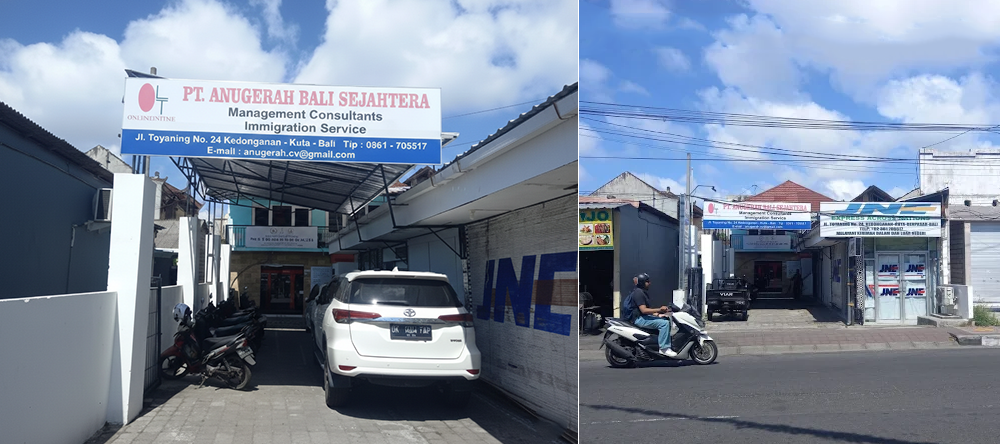
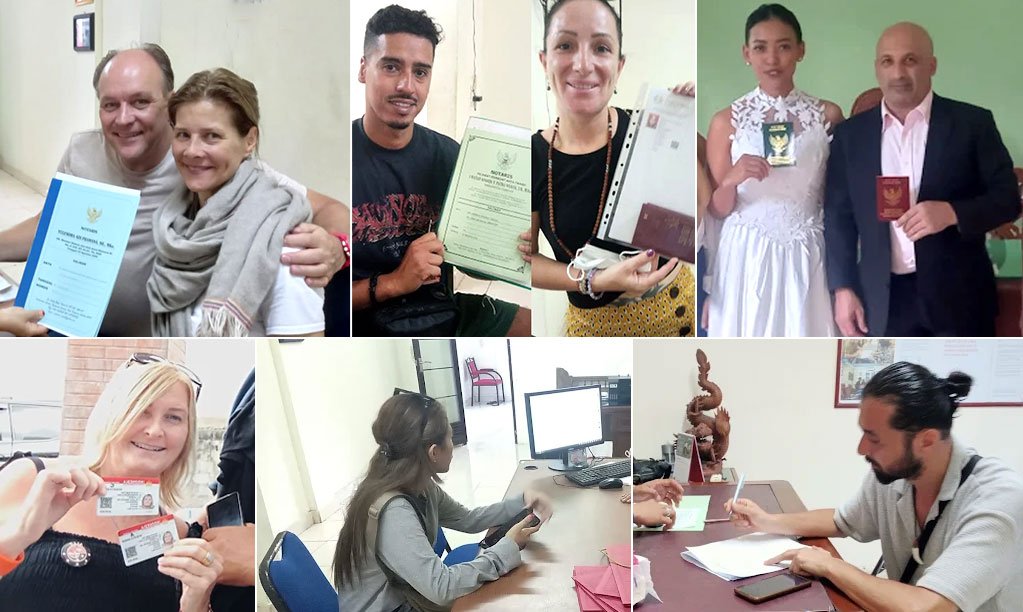
Since 1996, ABSVISA has assisted foreign investors, entrepreneurs, retirees, professionals, and families with Indonesian immigration matters.
Our services include:
- Investor KITAS applications
- Business Visa assistance
- Family KITAS support
- Long-term residency planning
- Immigration consultation
- Compliance guidance
Whether you are visiting Bali for the first time or preparing for a permanent move, our team can help you understand the immigration pathways that best support your goals. You can explore our main Bali visa service page or view all visa services in Bali and Indonesia.
Your Bali Future Starts with the Right Residency Strategy
Bali offers far more than beaches and holidays.
For many Japanese citizens, it provides opportunities to build businesses, raise families, enjoy retirement, make investments, and create an entirely new lifestyle.
The key to making that future successful is choosing the right immigration pathway from the beginning.
By understanding your options, planning ahead, and aligning your residency strategy with your long-term goals, you can create a stable and legally secure future in Bali.
For many Japanese citizens, Bali begins as a destination.
With the right visa and residency strategy, it can become a place to build a life for many years to come.