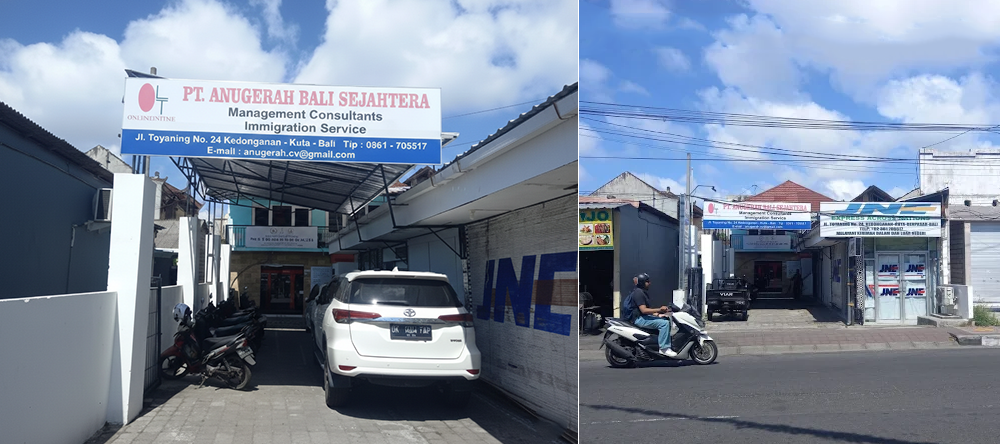
For many Singaporean entrepreneurs, Bali is no longer viewed only as one of the world’s most beautiful holiday destinations. Over the past decade, the island has transformed into one of Southeast Asia’s fastest-growing business hubs, attracting investors, startup founders, hospitality operators, digital entrepreneurs, wellness professionals, property developers, and international brands from around the world.
Its strategic location, international reputation, vibrant tourism sector, growing digital economy, and welcoming business environment have made Bali an attractive destination for entrepreneurs looking to expand beyond Singapore.
Whether you dream of opening a café overlooking Bali’s rice terraces, operating a luxury villa management company in Canggu, launching a software startup serving international clients, establishing a wellness retreat in Ubud, or creating a consulting business that connects Southeast Asian markets, Bali offers opportunities across a wide range of industries.
However, every successful investment begins with careful preparation.
Many entrepreneurs mistakenly believe that opening a business in Bali is simply a matter of renting a building and finding customers. In reality, Indonesia has its own legal system, immigration regulations, business licensing framework, investment requirements, and administrative procedures. Understanding these requirements before investing can save significant time, money, and unnecessary complications.
This Ultimate Guide has been created specifically for Singaporean entrepreneurs who want to build a successful long-term business in Bali. It combines practical business planning with legal considerations, immigration guidance, licensing requirements, and corporate strategy into one comprehensive resource.
Throughout this guide, you’ll also find links to detailed articles covering every stage of the business journey—from selecting the right visa before arrival to establishing a PT PMA, obtaining business licenses, applying for an Investor KITAS, hiring employees, protecting your trademark, and expanding your business across Indonesia.
Why Bali Has Become One of Asia’s Most Attractive Business Destinations
Bali’s international reputation extends far beyond tourism. While millions of visitors continue to travel to the island every year for its beaches, culture, and natural beauty, a growing number are choosing to stay longer—not as tourists, but as entrepreneurs, investors, remote business owners, and international professionals.
Several factors contribute to Bali’s increasing popularity among foreign investors.
1. International Market
Bali attracts visitors from Australia, Singapore, Europe, North America, the Middle East, and many other regions. Businesses operating on the island often serve an international customer base, creating opportunities that are difficult to find elsewhere in Southeast Asia.
2. Strong Tourism Industry
Tourism remains one of Bali’s strongest economic drivers. Hotels, villas, restaurants, cafés, wellness centers, transportation providers, tour operators, and countless supporting industries continue to benefit from visitor demand.
For entrepreneurs, this creates opportunities across hospitality, food and beverage, technology, marketing, real estate services, travel, and professional consulting.
3. Growing Digital Economy
Bali has become home to thousands of digital entrepreneurs, software developers, freelancers, creative agencies, marketing consultants, and technology startups.
The island’s coworking spaces, international networking events, startup communities, and global connectivity continue attracting entrepreneurs seeking flexible business environments.
4. International Lifestyle
Many entrepreneurs choose Bali because it offers an exceptional balance between business and lifestyle.
International schools, healthcare facilities, modern coworking spaces, luxury accommodation, wellness centers, and world-class dining create an attractive environment for business owners relocating with their families.
5. Long-Term Investment Opportunities
Beyond tourism, Bali offers growing opportunities in:
- Hospitality.
- Villa management.
- Technology startups.
- Artificial Intelligence services.
- Software development.
- Digital marketing.
- Business consulting.
- Health and wellness.
- Education.
- Professional services.
- Luxury retail.
- Creative industries.
For entrepreneurs with long-term strategies, Bali continues to offer significant commercial potential.
Why Singaporean Entrepreneurs Are Expanding Into Indonesia
Singapore and Indonesia have maintained close economic relationships for decades.
Many Singaporean entrepreneurs view Indonesia not simply as a neighboring country but as one of the region’s largest long-term growth markets.
Bali, in particular, provides a practical entry point because of its international environment, strong tourism economy, and familiarity among Singaporean travelers.
Compared with many international expansion destinations, Bali offers several advantages:
- Short travel time from Singapore.
- Frequent direct flights.
- Large international community.
- Growing premium consumer market.
- Strong hospitality industry.
- Increasing foreign investment.
- Business networking opportunities.
- English widely used within tourism and international business.
Many Singaporean companies initially establish operations in Bali before expanding into Jakarta, Surabaya, Lombok, or other Indonesian cities.
Popular Business Opportunities in Bali
One of the advantages of Bali is the diversity of industries available to foreign investors.
Some entrepreneurs choose businesses directly connected to tourism, while others focus on technology, professional services, education, or international consulting.
Hospitality Businesses
- Villa Management.
- Boutique Hotels.
- Luxury Resorts.
- Guest Services.
- Property Management.
Food & Beverage
- Cafés.
- Restaurants.
- Coffee Roasteries.
- Bakeries.
- Beach Clubs.
- Healthy Food Concepts.
- Specialty Dining.
Technology
- SaaS Companies.
- AI Solutions.
- Software Development.
- Web Development.
- Mobile Applications.
- Cloud Services.
Professional Services
- Business Consulting.
- Accounting.
- Marketing Agencies.
- Recruitment Services.
- Financial Advisory.
- Brand Consulting.
Tourism Businesses
- Travel Agencies.
- Private Tours.
- Luxury Experiences.
- Transportation Services.
- Adventure Tourism.
- Water Sports.
Wellness Industry
- Yoga Studios.
- Fitness Centers.
- Wellness Retreats.
- Spa Businesses.
- Holistic Health Services.
- Beauty Clinics.
The diversity of Bali’s economy allows entrepreneurs to create businesses that combine international expertise with local market opportunities.
Should You Start a Business Before Moving to Bali?
This is one of the most common questions asked by Singaporean entrepreneurs.
In most cases, the answer is yes.
Rather than relocating immediately, experienced investors generally recommend developing a clear business strategy before making major financial commitments.
This planning stage may include:
- Market research.
- Competitor analysis.
- Business model development.
- Financial projections.
- Location research.
- Legal consultation.
- Immigration planning.
- Investment budgeting.
Many entrepreneurs visit Bali several times during this planning phase to meet potential partners, inspect commercial properties, understand local business culture, and evaluate market demand.
Before travelling for business purposes, it’s also important to understand which visa is appropriate for your planned activities.
To help you prepare, we recommend starting with these essential guides:
- What Singaporean Citizens Should Know About Bali Visas
- Bali Visa Requirements: Do Singaporean Citizens Need One?
- Bali Entry Requirements for Singaporean Travelers
- Business Visit Visa Options in Bali
- Multiple Entry Business Visa Guide
Building a Business the Right Way
Throughout this guide, you’ll discover that successful businesses in Bali rarely succeed by chance.
Instead, they are built through careful planning, legal compliance, proper immigration strategies, financial discipline, professional branding, and long-term investment thinking.
The next section explains how to choose the most appropriate visa before establishing your company, followed by a complete walkthrough of business registration, PT PMA establishment, licensing requirements, and Investor KITAS planning.
Choosing the Right Visa Before Starting a Business in Bali
One of the biggest mistakes made by first-time investors is assuming that every Indonesian visa allows the same activities. In reality, Indonesia offers several visa options, each designed for different purposes.
Selecting the correct visa before travelling to Bali helps avoid unnecessary immigration issues while allowing entrepreneurs to conduct their business activities appropriately.
The most suitable visa depends on your objectives. Some entrepreneurs simply want to attend meetings, inspect commercial properties, or conduct market research. Others plan to establish a company and relocate to Indonesia for long-term business operations.
Understanding the differences between these visa options is one of the first steps toward building a successful business in Indonesia.
Visiting Bali for Business Research
Many Singaporean entrepreneurs travel to Bali several times before establishing a company.
During these visits they may:
- Meet business partners.
- Inspect commercial properties.
- Attend exhibitions.
- Conduct market research.
- Explore investment opportunities.
- Evaluate suppliers.
- Develop business strategies.
If your objective is simply to conduct preliminary business activities, understanding the available business visa options becomes extremely important.
Recommended reading:
- Business Visit Visa Options in Bali for Singaporean Citizens
- How Singaporean Citizens Can Use a Multiple Entry Visa for Bali
Long-Term Business Operations
Once your company has been established and you intend to actively manage business operations in Indonesia, your immigration planning becomes increasingly important.
Many foreign entrepreneurs eventually transition toward an Investor KITAS, which is specifically designed for eligible foreign investors operating businesses in Indonesia.
Planning Your Business Before Registration
Successful companies rarely begin with paperwork.
Instead, they begin with careful planning.
Before registering your company, you should clearly define:
- Your products or services.
- Your target customers.
- Your revenue model.
- Your investment budget.
- Your staffing requirements.
- Your business location.
- Your long-term expansion plans.
Entrepreneurs who complete this planning stage first usually experience fewer complications during company registration.
Business Registration in Indonesia
Once your business concept has been finalized, the next step is establishing your company legally.
Business registration creates the legal foundation upon which every other aspect of your company is built.
Without proper registration, businesses may encounter difficulties obtaining licenses, opening corporate bank accounts, hiring employees, or expanding operations.
The complete registration process is explained in our dedicated guide:
Business Registration Guide for Foreigners in Indonesia
You may also find this article useful:
How to Register a Company in Bali as a Singaporean Citizen
Choosing the Right Business Structure
Not every business should use the same legal structure.
Your ideal structure depends on:
- Business activities.
- Investment objectives.
- Ownership plans.
- Long-term expansion.
- Immigration planning.
- Future investors.
Choosing the correct structure from the beginning makes future business operations significantly easier.
Continue reading:
Choosing the Right Business Structure in Indonesia
PT PMA — The Most Common Choice for Foreign Investors
For many Singaporean entrepreneurs, establishing a PT PMA (Perseroan Terbatas Penanaman Modal Asing) is the preferred way to legally operate a business in Indonesia.
A PT PMA is commonly used by businesses operating in:
- Hospitality.
- Villa Management.
- Restaurants.
- Cafés.
- Technology.
- Digital Marketing.
- Import & Export.
- Professional Consulting.
- Creative Agencies.
- Retail.
Besides providing a legal business entity, a PT PMA also creates opportunities for long-term expansion, professional corporate administration, and structured business management.
Read our complete guides:
Choosing the Correct KBLI Classification
Every Indonesian company must register its business activities using Indonesia’s official business classification system known as KBLI (Klasifikasi Baku Lapangan Usaha Indonesia).
Your KBLI determines many aspects of your business including:
- Permitted business activities.
- Licensing requirements.
- Operational scope.
- Future expansion opportunities.
- Regulatory compliance.
Choosing the wrong KBLI can create unnecessary administrative challenges later.
For a detailed explanation, read:
Understanding KBLI Codes Before Starting a Business in Bali
Obtaining Your Business Identification Number (NIB)
After your company has been established and its business activities determined, the next important milestone is obtaining your Business Identification Number (Nomor Induk Berusaha or NIB).
The NIB forms an essential part of Indonesia’s integrated licensing system.
It helps establish your company’s official identity within Indonesia’s business administration framework.
Complete guide:
How to Get a Business Identification Number (NIB) in Indonesia
Business Licenses
Registering your company and obtaining an NIB are only part of the process.
Depending on your business activities, additional operational licenses may also be required.
Examples include businesses operating in:
- Hospitality.
- Restaurants.
- Tourism.
- Construction.
- Healthcare.
- Education.
- Import & Export.
- Professional Services.
Understanding licensing requirements before opening your business helps prevent unnecessary delays.
Continue reading:
Business Licenses Required for Foreign Investors in Indonesia
Building Your Business on a Strong Legal Foundation
Many entrepreneurs are eager to launch their products, open their offices, or begin serving customers as quickly as possible. However, the businesses that achieve long-term success usually invest time in building a solid legal and administrative foundation first.
Establishing the correct company structure, registering appropriate business activities, obtaining the required licenses, and preparing a long-term immigration strategy all contribute to a stronger and more sustainable business.
In the next section, we’ll explore how foreign entrepreneurs can manage their businesses in Indonesia through an Investor KITAS, establish corporate banking, organize financial administration, protect their trademarks, recruit employees, and scale their businesses successfully.</>
Managing Your Business Long-Term with an Investor KITAS
After successfully establishing a company in Indonesia, many Singaporean entrepreneurs begin thinking beyond the initial setup. Rather than making repeated business trips, they often look for an immigration solution that allows them to manage their investment more efficiently over the long term.
This is where the Investor KITAS becomes an important consideration.
An Investor KITAS is designed for eligible foreign investors involved in Indonesian companies. While immigration regulations should always be reviewed based on your specific circumstances, many entrepreneurs choose this pathway once their business becomes operational.
An Investor KITAS may provide advantages for business owners who regularly:
- Manage company operations.
- Meet employees and business partners.
- Oversee business development.
- Attend corporate meetings.
- Monitor investment performance.
- Expand business activities throughout Indonesia.
Before applying, investors should ensure their business structure and corporate documentation are properly prepared.
For detailed information, read our complete guide:
Investor KITAS for Singaporean Business Owners in Bali
Opening a Corporate Bank Account
Once your company has been established, opening a dedicated corporate bank account becomes one of the next priorities.
Separating business finances from personal finances provides numerous long-term advantages.
A corporate bank account supports:
- Professional accounting.
- Supplier payments.
- Payroll management.
- Customer transactions.
- Corporate credibility.
- Financial reporting.
- Business expansion.
Most professional investors avoid mixing personal finances with company operations because doing so creates unnecessary accounting complications.
Corporate banking also improves transparency when working with investors, accountants, auditors, suppliers, and government authorities.
Learn more:
How to Open a Corporate Bank Account in Indonesia
Building Strong Financial Management From Day One
One of the biggest differences between businesses that survive and businesses that struggle is financial management.
Successful entrepreneurs treat bookkeeping as an essential management tool rather than simply an administrative obligation.
Your accounting system should record:
- Revenue.
- Operating expenses.
- Supplier invoices.
- Payroll.
- Asset purchases.
- Cash flow.
- Inventory.
- Financial reports.
Good bookkeeping allows business owners to understand profitability, monitor expenses, and make better investment decisions.
Understanding Basic Tax Administration
Tax administration is another important part of operating a business in Indonesia.
Rather than viewing taxation as something that happens only after the company becomes profitable, experienced entrepreneurs integrate tax planning into their business operations from the beginning.
Proper financial administration helps businesses:
- Maintain compliance.
- Improve financial reporting.
- Prepare for expansion.
- Build investor confidence.
- Support professional accounting.
Every company’s tax obligations depend on its individual circumstances and applicable Indonesian regulations.
Read the complete guide:
Tax Basics for Singaporean Business Owners in Indonesia
Protecting Your Brand Through Trademark Registration
Your company name, logo, slogan, and product identity represent valuable intellectual property.
Many entrepreneurs invest heavily in marketing but forget to protect the very brand they are building.
Trademark registration becomes increasingly valuable as your company grows.
It helps protect:
- Company name.
- Business logo.
- Product names.
- Service brands.
- Marketing identity.
- Commercial reputation.
For businesses planning long-term expansion, protecting intellectual property should be considered an important part of the overall business strategy.
Complete guide:
Trademark Registration in Indonesia for Singaporean Businesses
Recruiting the Right Employees
As your business grows, your team becomes one of your greatest competitive advantages.
Whether you operate a restaurant, software company, villa management business, consulting firm, or wellness center, recruiting the right people significantly influences long-term success.
Successful recruitment begins with defining clear job roles.
Typical positions include:
- Operations Manager.
- Customer Service.
- Sales Executive.
- Marketing Specialist.
- Finance Officer.
- Receptionist.
- Administrative Staff.
- IT Support.
- Maintenance Personnel.
Once employees are hired, ongoing training becomes equally important.
Businesses that invest in customer service, communication skills, operational procedures, and professional development often achieve stronger customer satisfaction.
Read our recruitment guide:
Hiring Employees in Bali: What Foreign Business Owners Should Know
Starting Hospitality Businesses in Bali
Hospitality continues to be one of Bali’s strongest industries.
Restaurants, cafés, boutique hotels, villa management companies, and wellness businesses all contribute to the island’s international reputation.
For entrepreneurs entering the food and beverage sector, careful preparation is essential.
Areas requiring planning include:
- Business concept.
- Location.
- Kitchen design.
- Menu development.
- Brand identity.
- Staff recruitment.
- Operational systems.
Complete restaurant guide:
Opening a Restaurant or Café in Bali as a Foreigner
Choosing Commercial Property
Every business needs an appropriate location.
Depending on your industry, this could be:
- Office space.
- Retail premises.
- Restaurant.
- Warehouse.
- Wellness center.
- Commercial villa.
- Showroom.
Before signing lease agreements or purchasing commercial property, investors should carefully review legal documentation, zoning, accessibility, operational suitability, and future development opportunities.
Complete guide:
Buying or Leasing Commercial Property in Bali
Real Estate Investment Opportunities
Many entrepreneurs eventually diversify into real estate investments after establishing successful operating businesses.
Popular investment sectors include:
- Villa developments.
- Boutique hotels.
- Commercial offices.
- Hospitality projects.
- Mixed-use developments.
- Tourism facilities.
Every investment should begin with comprehensive due diligence and professional legal consultation.
Recommended reading:
How to Invest Legally in Bali Real Estate
Building a Business That Lasts
Successful businesses are not built overnight.
They grow through consistent improvement, professional management, financial discipline, legal compliance, and continuous investment in people, systems, and customer experience.
As your company expands, you may gradually add:
- New business locations.
- Additional products.
- New service offerings.
- International partnerships.
- Digital transformation.
- Regional expansion.
- Strategic investments.
The entrepreneurs who achieve sustainable growth are usually those who establish a strong legal and operational foundation from the beginning rather than trying to solve problems after they arise.
Preparing for Long-Term Success
Starting a business in Bali is only the beginning of your entrepreneurial journey.
The real challenge—and the greatest opportunity—lies in building a company that continues growing year after year.
By combining proper immigration planning, legal compliance, financial management, professional branding, employee development, and strategic investment, foreign entrepreneurs can create businesses that remain competitive in Indonesia’s rapidly evolving economy.
In the final section of this Ultimate Guide, we’ll summarize the most common mistakes foreign investors make, answer the questions we hear most often, explain why many entrepreneurs choose ABSVISA, and provide a complete roadmap linking every stage of your business journey in Bali.
Common Mistakes Foreign Entrepreneurs Should Avoid
Throughout this guide, we’ve explored every major stage of building a successful business in Bali. While every entrepreneur’s journey is unique, there are several common mistakes that repeatedly cause unnecessary delays, additional costs, and operational challenges.
Avoiding these mistakes from the beginning will give your business a much stronger foundation.
1. Starting Without Market Research
Some investors choose a business idea simply because they enjoyed visiting Bali as a tourist. Successful entrepreneurs, however, study customer demand, competitors, pricing strategies, and long-term market trends before investing.
2. Choosing the Wrong Business Structure
Selecting an inappropriate legal structure may complicate licensing, taxation, immigration, and future expansion.
3. Delaying Company Registration
Some entrepreneurs begin operating before properly establishing their company. Building a legal foundation first usually results in smoother business growth.
4. Ignoring Licensing Requirements
Each industry has different regulatory requirements. Understanding licensing before opening your business helps prevent future interruptions.
5. Forgetting Intellectual Property
Your brand becomes increasingly valuable as your company grows. Registering your trademark early helps protect years of marketing investment.
6. Mixing Personal and Business Finances
Maintaining separate corporate finances improves bookkeeping, accounting, tax administration, and investor confidence.
7. Hiring Too Quickly
Growing your team should be based on operational needs rather than assumptions. Hiring strategically allows businesses to scale more sustainably.
8. Ignoring Immigration Planning
Your immigration strategy should evolve alongside your business. Many long-term entrepreneurs eventually transition from business visits to an Investor KITAS after establishing their company.
Your Business Growth Roadmap
The following roadmap summarizes the recommended sequence for most Singaporean entrepreneurs planning a long-term business in Bali.
- Develop your business idea.
- Conduct market research.
- Visit Bali to explore opportunities.
- Choose the appropriate visa.
- Select the correct business structure.
- Establish your PT PMA.
- Determine the correct KBLI classification.
- Obtain your NIB.
- Complete business licensing.
- Open your corporate bank account.
- Register your trademark.
- Implement bookkeeping systems.
- Recruit employees.
- Apply for an Investor KITAS if appropriate.
- Expand your business sustainably.
Although every business develops differently, following a structured roadmap generally reduces unnecessary risks while improving long-term efficiency.
Frequently Asked Questions
Can Singaporean citizens legally establish a business in Indonesia?
Yes. Foreign investors may establish businesses in Indonesia through the appropriate legal structures while complying with Indonesian investment and business regulations.
Is a PT PMA necessary?
For many foreign-owned businesses, a PT PMA is the commonly used corporate structure for conducting business activities in Indonesia.
Can I visit Bali first before registering my company?
Yes. Many entrepreneurs first travel to Bali to conduct market research, inspect commercial properties, meet business partners, and develop investment plans before establishing their company.
Should I obtain an Investor KITAS immediately?
Your immigration strategy depends on your business activities and long-term plans. Many entrepreneurs initially visit Indonesia for business purposes before later applying for an Investor KITAS once their company has been established.
How long does business registration usually take?
Processing times vary depending on the business structure, documentation, and regulatory requirements applicable at the time of application.
Can foreign investors hire employees?
Yes. Companies operating legally in Indonesia may recruit employees in accordance with Indonesian employment regulations.
Can foreigners lease commercial property?
Commercial leasing is common for businesses operating in Bali. Every agreement should be reviewed carefully before signing.
Should I register my trademark?
Yes. Trademark registration helps protect your company’s identity, brand reputation, and intellectual property.
Do I need a corporate bank account?
Maintaining separate business finances through a corporate account supports professional accounting and long-term financial management.
Should I seek professional legal assistance?
Working with experienced professionals often helps entrepreneurs navigate Indonesian regulations more efficiently while reducing avoidable administrative mistakes.
Why Entrepreneurs Choose ABSVISA
Building a successful business in Indonesia requires more than completing paperwork.
Entrepreneurs need reliable guidance from professionals who understand immigration, business registration, licensing, corporate compliance, and long-term investment planning.
ABSVISA has assisted international clients with Indonesian immigration and corporate services for many years.
Our integrated services include:
- Business Registration.
- PT PMA Establishment.
- Business Structure Consultation.
- Investor KITAS Applications.
- Business Visa Services.
- Visa Extension Services.
- Business Identification Number (NIB).
- Business Licensing.
- KBLI Consultation.
- Trademark Registration.
- Corporate Legal Consultation.
- Immigration Consultation.
Whether you’re planning your very first investment or expanding an existing international business into Indonesia, our experienced team can assist you throughout every stage of your journey.
Continue Learning: Complete Business Resource Library
The following guides provide detailed information about each stage of building a successful business in Indonesia.
- What Singaporean Citizens Should Know About Bali Visas
- Bali Visa Requirements for Singaporeans
- Bali Entry Requirements
- Business Visit Visa Options
- Multiple Entry Visa Guide
- Business Registration Guide
- Register a Company in Bali
- Choosing the Right Business Structure
- PT PMA Guide
- PT PMA Company Establishment
- Business Identification Number (NIB)
- Understanding KBLI Codes
- Business Licenses
- Investor KITAS
- Corporate Bank Account
- Tax Basics
- Trademark Registration
- Hiring Employees
- Opening a Restaurant or Café
- Buying or Leasing Commercial Property
- Investing in Bali Real Estate
- Common Business Mistakes
Final Thoughts
Starting a business in Bali is more than opening a company—it is the beginning of a long-term investment journey in one of Southeast Asia’s most dynamic markets.
Entrepreneurs who succeed in Indonesia usually share several common characteristics. They invest time in understanding local regulations, establish the correct legal structure, maintain professional financial management, build strong local relationships, protect their intellectual property, recruit talented employees, and continue improving their businesses year after year.
By approaching your investment strategically, Bali can become not only an exciting place to do business but also a gateway to broader opportunities throughout Indonesia and Southeast Asia.
If you’re ready to establish your company, apply for an Investor KITAS, register a PT PMA, obtain business licenses, or need professional assistance with Indonesian immigration and business compliance, ABSVISA is ready to support your journey.
As a trusted Bali Visa Agent, experienced Bali Visa Agency, and professional corporate service provider, ABSVISA offers comprehensive immigration, legal, and business solutions designed to help foreign entrepreneurs build successful businesses in Indonesia with confidence.