One of the first questions Japanese travelers ask when planning a trip to Bali is:
“How much will my Bali visa cost?”
The answer depends on several factors, including the purpose of your visit, the length of your stay, whether you plan to extend your visa, and whether you require a long-term immigration solution such as a Business Visa or KITAS.
While many visitors focus on airline tickets and accommodation expenses, understanding visa-related costs is equally important. Proper planning can help avoid unexpected expenses and prevent costly immigration mistakes later.
Whether you’re visiting Bali for a short holiday, conducting business meetings, exploring investment opportunities, or considering long-term residency, this guide explains the major visa-related costs Japanese citizens should be aware of in 2026. If you are still comparing visa pathways, you may also want to read our best Bali visa options for Japanese citizens planning a long-term stay.
Why Understanding Bali Visa Costs Matters
Many travelers assume that obtaining a visa is a one-time expense.
In reality, immigration costs may include:
- Initial visa fees
- Visa extension fees
- Immigration administration costs
- Long-term stay permits
- Professional assistance fees
- Compliance-related expenses
Understanding the full picture allows travelers to budget accurately before arriving in Bali. For practical preparation, see our Bali immigration checklist for Japanese citizens.
Factors That Affect Bali Visa Costs
There is no single visa fee that applies to every Japanese citizen visiting Bali.
Costs depend on:
Purpose of Travel
Tourism, business, investment, and employment often involve different visa categories.
Length of Stay
Longer stays may require extensions or alternative residency solutions.
Number of Entries
Some visa categories are designed for single visits, while others allow multiple entries.
Immigration Status
Investors, employees, and family members may require different permits.
Administrative Requirements
Additional processing and documentation requirements can influence overall costs.
For this reason, the cheapest visa is not always the most suitable option. If you are comparing temporary and residency options, see our guide on Bali KITAS vs tourist visa for Japanese citizens.
Bali Visa Costs for Short-Term Travelers
Most Japanese tourists visiting Bali choose short-term visa solutions.
These are commonly used for:
- Holidays
- Leisure travel
- Family visits
- Cultural experiences
Short-term visitors often focus primarily on entry requirements and accommodation costs.
However, many travelers eventually decide they want to stay longer than originally planned, which can introduce additional expenses.
Understanding extension possibilities before arrival is therefore important. Japanese travelers preparing their first visit can also review our Bali entry requirements for Japanese citizens.
Additional Costs of Staying Longer in Bali
A common mistake is assuming the initial visa cost represents the total immigration budget.
Visitors extending their stay may also encounter expenses related to:
- Visa extensions
- Immigration administration
- Additional documentation
- Travel adjustments
- Long-term planning
These costs vary depending on individual circumstances.
Planning ahead helps avoid surprises. If your stay may need more time, read our Bali visa extension guide for Japanese citizens.
Business Visa Costs for Japanese Professionals
Many Japanese citizens visit Bali for business-related purposes.
Common activities include:
- Business meetings
- Partnership discussions
- Market research
- Investment evaluations
- Industry conferences
Business Visas typically involve different requirements compared to tourism-focused visas.
Professionals should consider not only application fees but also the broader administrative requirements associated with business travel.
Selecting the correct visa category from the beginning often prevents unnecessary expenses later. For more detail, read our Bali business visa guide for Japanese citizens.
Investor KITAS and Long-Term Residency Costs
Japanese entrepreneurs increasingly choose Bali as a base for exploring Indonesian investment opportunities.
Popular sectors include:
- Hospitality
- Tourism
- Food and beverage
- Technology
- Wellness businesses
- Professional services
For qualifying investors, an Investor KITAS may provide a more practical long-term solution than repeatedly extending short-term visas.
When evaluating costs, investors should think beyond the initial application.
Long-term planning often includes:
- Business administration
- Immigration compliance
- Residency management
- Ongoing documentation requirements
A strategic approach can provide better value over time. You can learn more in our detailed guide to Bali Investor KITAS for Japanese citizens.
Why the Cheapest Visa Is Not Always the Best Choice
Many travelers focus exclusively on minimizing visa costs.
However, choosing a visa solely because it appears cheaper can create problems.
Potential risks include:
- Inadequate stay duration
- Frequent extension requirements
- Activity restrictions
- Compliance issues
- Unexpected future expenses
The most cost-effective solution is often the one that aligns best with your actual plans in Bali. To avoid choosing the wrong pathway, review these common Bali visa mistakes Japanese citizens should avoid.
Hidden Costs Travelers Often Overlook
Beyond official immigration fees, there are several expenses visitors sometimes forget to consider.
Last-Minute Visa Changes
Emergency adjustments can be more stressful and expensive.
Overstay Penalties
Failing to monitor visa validity can result in significant costs.
Incorrect Applications
Mistakes may require additional processing and corrections.
Repeated Extensions
Multiple extensions may eventually become less practical than alternative residency solutions.
Travel Disruptions
Visa-related issues can affect accommodation and transportation arrangements.
Careful planning helps avoid these unnecessary expenses. For timing preparation, see our Bali visa renewal timeline for Japanese citizens.
Bali Overstay Costs Can Be Expensive
One of the most avoidable immigration expenses involves overstaying.
Many visitors underestimate the consequences of remaining in Indonesia beyond their authorized stay period.
Potential consequences may include:
- Financial penalties
- Immigration investigations
- Deportation procedures
- Future visa complications
Monitoring visa expiration dates should always be a priority.
Preventing an overstay is far less expensive than dealing with the consequences afterward. Japanese travelers should also understand Bali overstay penalties for Japanese citizens.
When Long-Term Visa Solutions Become More Economical
Many Japanese citizens initially arrive in Bali using short-term visas.
Over time, however, they may discover that a long-term immigration pathway offers better value.
This is especially true for:
- Frequent visitors
- Entrepreneurs
- Investors
- Remote workers
- Future residents
In these situations, a longer-term solution may reduce administrative burdens and provide greater stability. For multi-year planning, read our guide on how Japanese citizens can stay in Bali for several years legally.
How to Budget for a Long Stay in Bali
If you are considering spending several months or longer in Bali, your budget should include:
Immigration Expenses
Visa fees, extensions, and permit-related costs.
Accommodation
Housing often becomes a major expense during long stays.
Healthcare and Insurance
Medical coverage should never be overlooked.
Transportation
Scooter rentals, taxis, and other transportation costs can add up.
Business Expenses
Entrepreneurs and investors should account for operational requirements.
A realistic budget provides greater peace of mind and helps avoid financial surprises. For wider living cost planning, see our guide to the cost of living in Bali for Japanese citizens.
Why Many Japanese Travelers Seek Professional Visa Assistance
Visa regulations can be complex, particularly for visitors considering long-term stays.
Professional assistance can help:
- Identify suitable visa categories
- Reduce application errors
- Simplify extension procedures
- Improve compliance
- Support long-term immigration planning
For business owners and investors, expert guidance can often save both time and money. For deeper compliance preparation, read our Bali immigration compliance guide for Japanese expats.
Why Japanese Citizens Choose ABSVISA
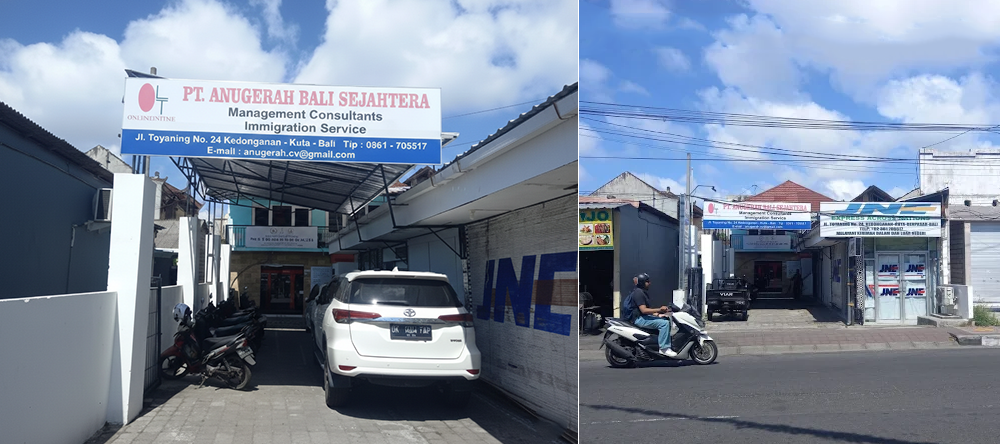
Since 1996, ABSVISA has assisted foreign travelers, professionals, investors, and expatriates with Indonesian visa and immigration matters.
Our services include:
- Bali visa assistance
- Bali visa extensions
- Business Visa support
- Investor KITAS applications
- Immigration consultation
- Long-term stay planning
- Compliance guidance
Whether you are visiting Bali for a holiday, business trip, or investment project, our team can help you identify the most appropriate visa solution for your goals. You can also view all visa services in Bali and Indonesia.
Invest in the Right Visa Strategy for Your Bali Journey
Understanding Bali visa costs involves more than simply comparing application fees. The most important consideration is choosing a visa that supports your plans while keeping you fully compliant with Indonesian immigration regulations.
By evaluating your travel objectives, planning for potential extensions, and considering long-term residency options when appropriate, you can avoid unnecessary expenses and enjoy a smoother experience in Bali.
Whether your journey involves tourism, business, investment, or relocation, the right visa strategy is one of the smartest investments you can make before arriving in Bali.