One of the biggest reasons Japanese citizens consider moving to Bali is the perception that life is significantly more affordable than in Japan.
In many cases, that perception is true.
However, the actual cost of living in Bali depends heavily on lifestyle choices.
A retiree living quietly in Sanur may spend very differently from an entrepreneur living in Canggu. A family with children attending international schools will have different expenses than a remote worker renting a small apartment.
Because of this, there is no single answer to the question:
“How much does it cost to live in Bali?”
The better question is:
“What type of lifestyle do you want to have in Bali?”
This guide explains the major expense categories Japanese citizens should consider when planning a move, retirement, investment, or long-term stay in Bali. If you are still preparing your relocation plan, you may also want to read our complete Bali relocation guide for Japanese citizens.
Why Bali Is Attractive Financially
Many Japanese citizens discover that Bali offers opportunities to improve their quality of life without necessarily increasing expenses.
Popular reasons include:
- Lower housing costs
- Affordable dining options
- Reduced transportation expenses
- Access to domestic services
- Flexible lifestyle choices
However, affordability depends largely on personal preferences.
Luxury living in Bali can easily cost more than expected. For broader lifestyle planning, see our long-term living in Bali guide for Japanese citizens.
The Biggest Expense: Housing
For most long-term residents, accommodation represents the largest monthly cost.
Housing prices vary significantly based on:
- Location
- Property size
- Amenities
- Lease duration
- Property condition
Budget Housing
Suitable for individuals and long-term travelers.
Mid-Range Housing
Popular among professionals and couples.
Premium Villas
Often preferred by families, entrepreneurs, and investors.
Areas such as Canggu, Seminyak, and Uluwatu generally command higher prices than less tourist-focused locations. If you are comparing neighborhoods, our guide to the best areas to live in Bali for Japanese citizens can help.
Location Strongly Influences Costs
Where you choose to live can significantly affect your budget.
Canggu
One of Bali’s most popular areas.
Advantages:
- International community
- Coworking spaces
- Business networking
Costs tend to be higher due to demand.
Sanur
Often provides a balance between affordability and comfort.
Ubud
Housing options vary widely depending on location.
Uluwatu
Growing popularity has increased prices in some areas.
Nusa Dua
Generally associated with more upscale living environments.
Location should be evaluated carefully before making long-term commitments.
Food and Dining Expenses
Bali offers an extremely wide range of dining options.
Residents can choose between:
- Local restaurants
- International dining
- Premium restaurants
- Home cooking
Many Japanese residents enjoy the flexibility of mixing local and international food options.
Dining habits often have a major impact on monthly expenses.
Grocery Shopping in Bali
Many expatriates purchase groceries from:
- Local markets
- Supermarkets
- Specialty stores
- International food suppliers
Imported products are often more expensive than locally produced items.
Japanese ingredients may be available but can increase food costs.
Planning meals carefully can help manage expenses.
Transportation Costs
Transportation in Bali differs significantly from Japan.
Common options include:
Motorcycles
Popular among many residents.
Ride-Hailing Services
Frequently used for convenience.
Private Drivers
Common among families and professionals.
Personal Vehicles
Some long-term residents prefer private transportation.
Transportation expenses vary according to lifestyle and location.
Healthcare Expenses
Healthcare planning should always be part of a relocation budget.
Important considerations include:
Health Insurance
Many expatriates maintain international coverage.
Routine Medical Care
Ongoing healthcare costs should be anticipated.
Specialist Services
Some residents require access to specialized treatment.
Emergency Planning
Unexpected situations can occur anywhere.
Healthcare costs vary based on individual needs and insurance arrangements. For more preparation, read our Bali healthcare guide for Japanese citizens.
Education Costs for Families
Families relocating to Bali often consider education one of their largest expenses.
Common options include:
International Schools
Popular among expatriate families.
Private Schools
Available throughout Bali.
Alternative Education Programs
Increasingly popular among international residents.
Educational choices often influence both location and overall budget. Families preparing a move can also read our complete guide to moving your family from Japan to Bali.
Internet and Communication Costs
Reliable internet is essential for:
- Remote workers
- Entrepreneurs
- Investors
- Online business owners
Bali offers numerous connectivity options suitable for both personal and professional use.
Communication costs are generally manageable for most residents. If you plan to work online from Bali, see our guide for Japanese digital entrepreneurs in Bali.
Entertainment and Lifestyle Expenses
Lifestyle costs depend largely on personal choices.
Popular activities include:
- Fitness memberships
- Wellness programs
- Surfing
- Dining out
- Travel within Indonesia
- Social events
Many residents find they enjoy a more active lifestyle while maintaining reasonable expenses.
Cost of Living for Different Types of Residents
Remote Professionals
Often prioritize internet access, coworking spaces, and flexible housing.
Entrepreneurs
May combine personal living costs with business expenses.
Families
Usually spend more on housing, education, and healthcare.
Retirees
Often focus on comfort, healthcare, and lifestyle quality.
Investors
May divide time between Bali and other countries.
Each group experiences Bali differently. Retirees can also read our Bali retirement lifestyle guide for Japanese citizens.
Hidden Costs Many New Residents Forget
Several expenses are often overlooked.
Immigration Costs
Long-term residents should budget for immigration-related matters.
Insurance
Coverage is an important part of financial planning.
Travel Expenses
Many expatriates continue traveling internationally.
Business Expenses
Entrepreneurs often underestimate operational costs.
Emergency Funds
Unexpected situations should always be considered.
Planning for these items improves financial stability. Japanese citizens planning a multi-year stay should also review our guide on how Japanese citizens can stay in Bali for several years legally.
Why Lifestyle Matters More Than Budget Estimates
Many online articles attempt to provide a single monthly living cost figure.
In reality, lifestyle choices determine spending patterns.
Two people living in the same neighborhood can have dramatically different monthly expenses based on:
- Housing preferences
- Dining habits
- Transportation choices
- Family size
- Travel frequency
A personalized budget is always more useful than generic estimates.
Long-Term Residents Often Spend Differently
People who remain in Bali for years often develop different spending habits than tourists.
They typically:
- Understand local pricing better
- Build local networks
- Optimize transportation choices
- Negotiate long-term housing arrangements
As a result, many long-term residents manage costs more efficiently over time. Proper immigration planning can also support long-term stability, as explained in our Bali residency planning guide for Japanese citizens.
Investor KITAS and Long-Term Planning
Many Japanese entrepreneurs and investors eventually establish deeper connections with Indonesia.
As involvement grows, they often explore Investor KITAS.
Investor KITAS is commonly considered by:
- Company shareholders
- Business owners
- Startup founders
- Long-term investors
Long-term residency planning frequently becomes part of broader financial planning. You can learn more in our guide to Bali Investor KITAS for Japanese citizens.
Common Financial Mistakes New Expats Make
Many challenges can be avoided.
Underestimating Housing Costs
Popular locations often command premium prices.
Ignoring Healthcare Planning
Medical expenses should never be overlooked.
Spending Like a Tourist
Tourist spending patterns are rarely sustainable long term.
Failing to Budget for Immigration
Residency planning involves costs.
Not Building an Emergency Fund
Unexpected expenses are inevitable.
Avoiding these mistakes helps support long-term financial stability. To avoid broader relocation issues, see these common Bali visa mistakes Japanese citizens should avoid.
Why Bali Continues to Attract Japanese Citizens
Even with rising popularity, Bali remains attractive because it offers:
- High quality of life
- Lifestyle flexibility
- International communities
- Business opportunities
- Entrepreneurial networks
- Beautiful surroundings
For many residents, the value received outweighs the cost. Japanese business owners can also read our Bali visa guide for Japanese business owners.
Why Japanese Citizens Choose ABSVISA
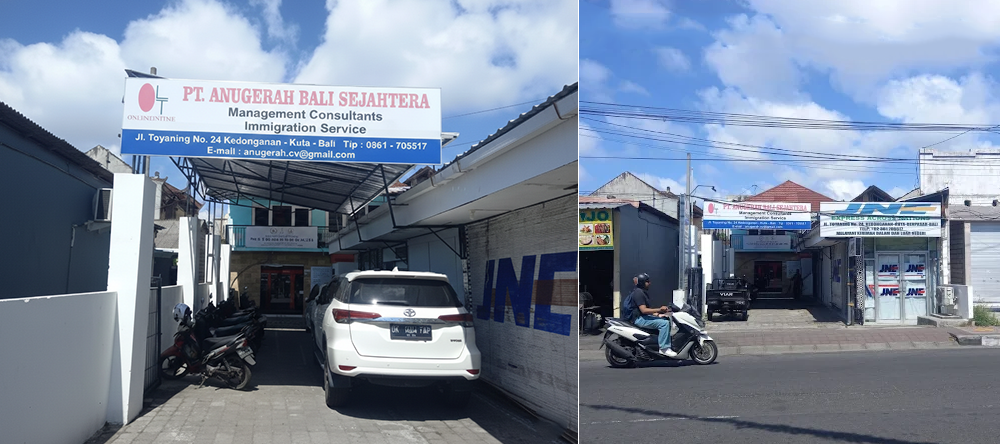
Since 1996, ABSVISA has assisted foreign investors, entrepreneurs, professionals, retirees, and expatriates with Indonesian immigration matters.
Our services include:
- Bali visa assistance
- Business Visa support
- Investor KITAS applications
- Immigration consultation
- Long-term residency planning
- Compliance guidance
Whether you are planning a short stay or a permanent move to Bali, our team can help you understand the immigration pathways that support your goals. You can explore our main Bali visa service page or view all visa services in Bali and Indonesia.
Bali Can Be Affordable—If You Plan Properly
The cost of living in Bali depends less on the island itself and more on the lifestyle you choose.
For Japanese citizens, Bali offers remarkable flexibility. You can create a simple and affordable lifestyle, enjoy a comfortable family life, build a thriving business, or pursue retirement in one of Asia’s most attractive destinations.
With realistic budgeting, careful planning, and the right immigration strategy, Bali can offer both financial value and an exceptional quality of life for years to come.