Bali has become one of Southeast Asia’s most attractive destinations for foreign professionals seeking career opportunities, lifestyle benefits, and international business experience. Every year, Japanese citizens relocate to Bali to work in industries such as hospitality, education, consulting, technology, tourism, and international business services.
While Bali offers exciting opportunities, foreign nationals must understand one important reality:
Working in Bali requires proper immigration authorization.
Many visitors mistakenly believe they can enter Bali using a tourist visa and later begin working without additional permits. Others assume that remote work, consulting, or freelance activities automatically fall outside Indonesian immigration regulations.
These misunderstandings can lead to serious immigration consequences.
This guide explains what Japanese citizens should know about work permits in Bali, legal employment requirements, common mistakes, and the immigration pathways typically used by foreign professionals working in Indonesia. If you are still comparing long-term immigration options, you may also want to read our best Bali visa options for Japanese citizens planning a long-term stay.
Why Bali Attracts Japanese Professionals
Bali is no longer viewed solely as a tourism destination.
The island has evolved into an international hub that attracts:
- Entrepreneurs
- Hospitality professionals
- Technology specialists
- Consultants
- Language instructors
- Business executives
- Remote teams
- International companies
Many professionals are drawn to Bali because it combines career opportunities with an attractive lifestyle.
Popular reasons include:
- International business environment
- Growing startup ecosystem
- Expanding tourism industry
- Networking opportunities
- Tropical lifestyle
- Strong expatriate community
As a result, interest in legal employment pathways continues to grow. Japanese professionals considering relocation may also find our article on why Japanese professionals are moving to Bali useful.
Can Japanese Citizens Work in Bali?
Yes, Japanese citizens can work in Bali, but they must comply with Indonesian immigration and employment regulations.
Foreign nationals generally require appropriate authorization before engaging in employment activities.
This requirement exists regardless of whether the position is:
- Full-time
- Part-time
- Executive-level
- Technical
- Professional
- Project-based
Beginning work before obtaining proper authorization can create significant legal and immigration risks. For deeper compliance preparation, read our Bali immigration compliance guide for Japanese expats.
Why Working on a Tourist Visa Is Risky
One of the most common immigration mistakes involves working under a tourist-oriented visa.
Some visitors assume that because they entered Bali legally, they can engage in employment activities without additional permits.
This assumption can be dangerous.
Tourism-focused visas are designed for activities such as:
- Holidays
- Leisure travel
- Visiting friends or family
- Recreational activities
Employment generally falls into a different category.
Using the wrong visa for work-related activities may result in immigration penalties and future travel complications. If you are comparing short-term and residency pathways, read our Bali KITAS vs tourist visa for Japanese citizens.
Common Industries Hiring Foreign Professionals in Bali
Japanese citizens work in a variety of sectors across Bali.
Hospitality
Hotels, resorts, villas, and tourism-related businesses frequently hire foreign specialists.
Education
Language schools and educational institutions often employ international staff.
Consulting
Professional consultants may work with local and international businesses operating in Bali.
Technology
The island’s growing digital economy creates opportunities for technology professionals.
Tourism Services
Many businesses serving international visitors seek experienced foreign personnel.
International Business
Foreign-owned companies often require management and executive expertise.
These sectors continue to attract skilled professionals from Japan and around the world. If your professional plans may evolve into business ownership, see our guide on how Japanese investors can start a business in Bali legally.
Understanding Work Permits in Bali
A work permit is generally part of the legal framework that allows a foreign national to work in Indonesia.
The purpose of employment authorization is to ensure:
- Immigration compliance
- Labor regulation compliance
- Proper documentation
- Legal employment status
Foreign professionals should always ensure that their immigration and employment arrangements are properly established before beginning work.
Why Employers Play an Important Role
In many employment situations, the employer has important responsibilities regarding immigration and labor compliance.
These responsibilities may include:
- Supporting immigration procedures
- Providing required documentation
- Maintaining regulatory compliance
- Coordinating employment approvals
For this reason, Japanese citizens considering employment in Bali should work with reputable employers that understand Indonesian regulations.
Work Permit vs Work KITAS
Many foreign professionals confuse work permits and KITAS.
Although the terms are often discussed together, they serve different functions within Indonesia’s immigration framework.
Understanding the distinction is important when planning employment in Bali.
Professional immigration guidance can help clarify which authorizations are required based on your specific circumstances. For broader residency planning, read our Bali residency planning guide for Japanese citizens.
Common Mistakes Foreign Workers Make
Many immigration issues arise because foreign professionals misunderstand local requirements.
Starting Work Too Early
Some individuals begin working before all authorizations have been finalized.
Assuming Tourist Visas Are Sufficient
Tourism visas are generally not designed for employment activities.
Relying on Informal Advice
Immigration decisions should be based on reliable and current information.
Ignoring Compliance Obligations
Employment-related immigration requirements must be maintained throughout the stay.
Accepting Questionable Arrangements
If an employment arrangement seems unclear, further review is advisable.
Avoiding these mistakes helps protect both your career and immigration status. You may also want to review these common Bali visa mistakes Japanese citizens should avoid.
Working Remotely from Bali: What Japanese Citizens Should Know
Remote work has become increasingly common.
Many professionals manage overseas businesses or work for international employers while spending time in Bali.
However, remote work often raises immigration questions.
Factors worth considering include:
- Nature of work activities
- Duration of stay
- Immigration category
- Business involvement
- Compliance obligations
Because every situation is different, travelers should review their circumstances carefully before assuming a particular visa is appropriate. Remote professionals and online founders may also find our guide for Japanese digital entrepreneurs in Bali useful.
Why Bali Is Popular Among Digital Professionals
Bali has become a global destination for digital professionals because of:
- Modern coworking spaces
- Reliable internet infrastructure
- International networking opportunities
- Entrepreneurial community
- Affordable living costs
- Attractive lifestyle
Many Japanese professionals initially visit Bali for a short period and later consider longer-term arrangements.
This often creates the need for a more structured immigration strategy. If you are comparing remote work options, read our Bali digital nomad visa alternatives for Japanese citizens.
Long-Term Employment and Residency Planning
Professionals who plan to remain in Bali for extended periods should think beyond their initial arrival.
Important considerations include:
Career Development
Will your role expand over time?
Immigration Stability
Will your current visa remain suitable in the future?
Family Plans
Do you intend to relocate with family members?
Business Opportunities
Could future entrepreneurial activities affect your immigration needs?
Long-term planning often prevents future complications. For multi-year planning, read our guide on how Japanese citizens can stay in Bali for several years legally.
Alternative Long-Term Pathways
Some Japanese citizens initially move to Bali for employment but later explore other immigration options.
Common pathways may include:
Investor KITAS
Suitable for qualifying investors and entrepreneurs.
Business Visa
Used for certain business-related activities.
Family-Based Residency
Available under specific qualifying circumstances.
Choosing the right pathway depends on your professional and personal objectives. You can learn more in our detailed guide to Bali Investor KITAS for Japanese citizens.
Why Immigration Compliance Matters
Maintaining compliance is about more than simply obtaining the correct documents.
It also involves:
- Following visa conditions
- Maintaining legal status
- Keeping documentation updated
- Respecting employment regulations
A strong compliance record can be valuable for future visa applications and long-term residency planning. For practical preparation, see our Bali immigration checklist for Japanese citizens.
Why Japanese Citizens Choose ABSVISA
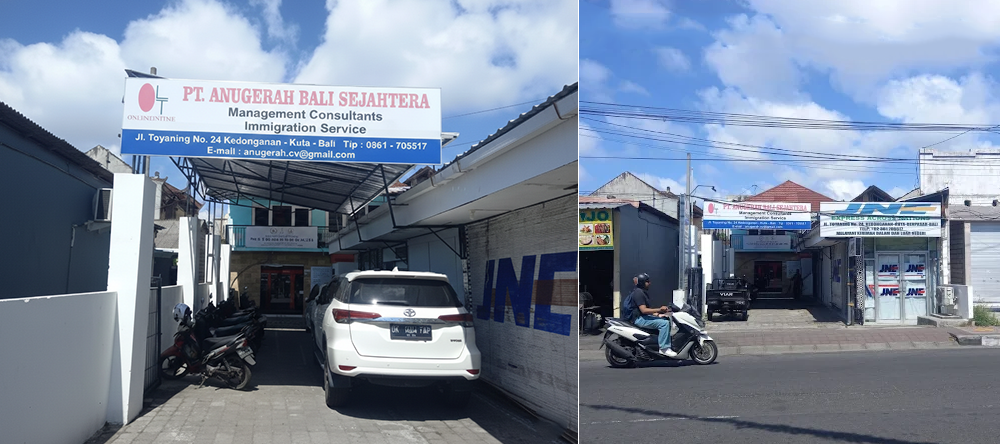
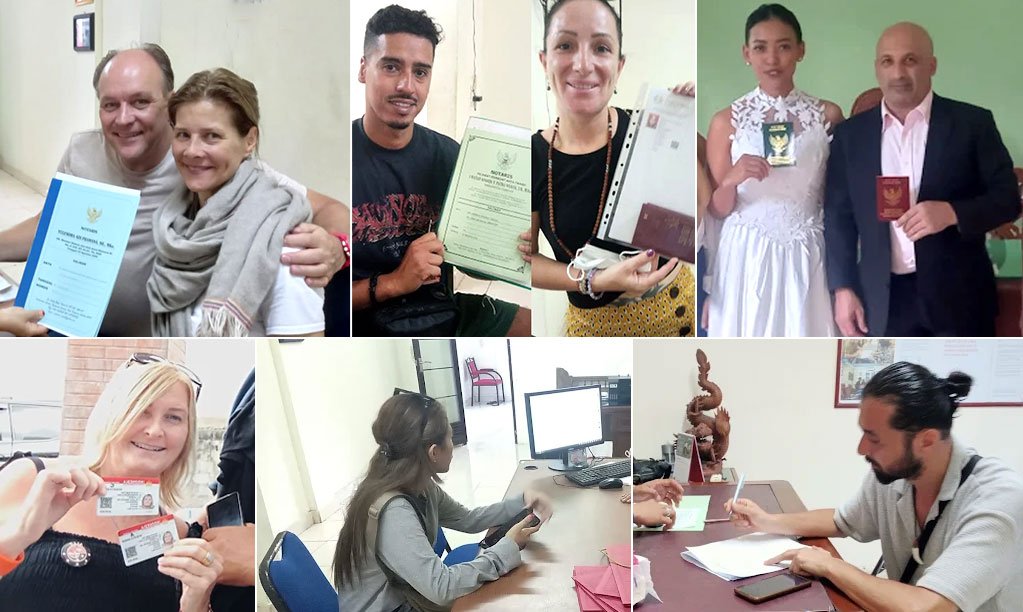
Since 1996, ABSVISA has assisted foreign professionals, entrepreneurs, investors, and expatriates with Indonesian immigration matters.
Our services include:
- Work permit assistance
- Employment KITAS support
- Business Visa applications
- Investor KITAS services
- Immigration consultation
- Long-term stay planning
- Compliance guidance
Whether you are accepting a job offer in Bali or exploring professional opportunities in Indonesia, our team can help you understand the requirements and navigate the process confidently. You can also view all visa services in Bali and Indonesia.
Build Your Career in Bali the Right Way
Bali offers exciting opportunities for Japanese professionals seeking international experience, career growth, and an exceptional lifestyle. However, every successful move begins with proper immigration planning.
By understanding work permit requirements, obtaining the appropriate authorization, and maintaining compliance with Indonesian regulations, you can focus on building your career without unnecessary immigration concerns.
Whether you are joining an international company, working in hospitality, teaching, consulting, or exploring new professional opportunities, the right immigration strategy is the foundation for a successful future in Bali.