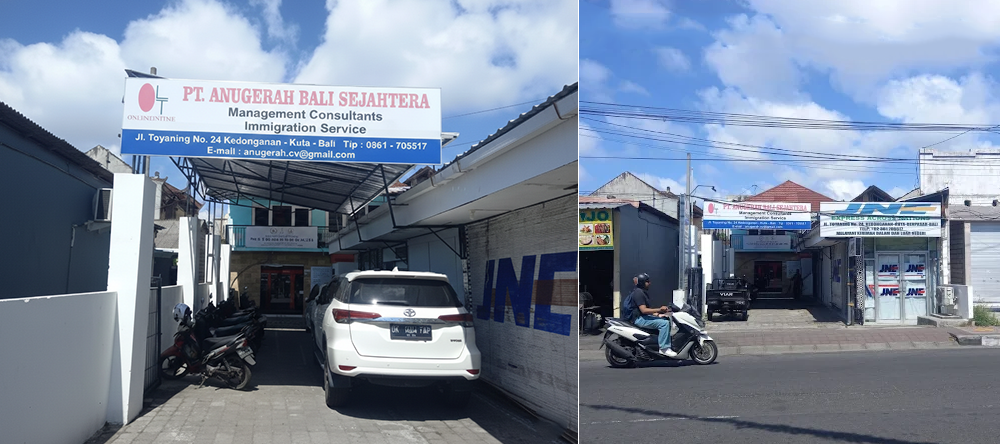
Bali has become one of the most attractive destinations in Southeast Asia for foreign entrepreneurs and investors. While millions of visitors come to Bali each year for tourism, a growing number of Japanese citizens are arriving with a different objective: building a business.
From boutique hotels and restaurants to consulting firms, technology startups, wellness centers, and tourism services, Bali offers a wide range of opportunities for foreign investors who want to establish a presence in Indonesia.
However, starting a business in Bali involves much more than finding a good idea or identifying a promising market.
Foreign investors must also understand Indonesian business regulations, immigration requirements, company structures, and compliance obligations.
The good news is that thousands of foreign-owned businesses operate successfully in Indonesia today.
With proper planning and legal compliance, Japanese investors can build a sustainable business while enjoying the lifestyle and opportunities Bali has to offer.
This guide explains how Japanese investors can legally start a business in Bali and avoid many of the common mistakes made by first-time foreign entrepreneurs. If you are still comparing business setup options, you may also want to read our Japanese entrepreneur’s guide to Bali company registration.
Why Bali Attracts Japanese Entrepreneurs
Bali offers a unique combination of lifestyle and business potential.
Many Japanese investors are attracted by:
- International tourism demand
- Growing expatriate community
- Expanding digital economy
- Strategic location in Southeast Asia
- Business networking opportunities
- Strong hospitality sector
- Attractive lifestyle environment
Unlike many business destinations that focus purely on commercial activity, Bali allows entrepreneurs to combine professional goals with an exceptional quality of life. For a broader overview of sectors, see our guide on Bali business opportunities for Japanese investors.
Is It Legal for Japanese Citizens to Own a Business in Bali?
Yes.
Foreign investors can legally establish and operate businesses in Indonesia when they follow the appropriate legal and regulatory framework.
However, foreign ownership is subject to Indonesian investment regulations.
This means investors should carefully evaluate:
- Business structure
- Ownership arrangements
- Licensing requirements
- Immigration considerations
- Compliance obligations
Professional guidance is highly recommended before making important decisions. Japanese citizens who want a general setup overview can also read our guide on how Japanese citizens can open a company in Bali.
Understanding PT PMA
When foreign investors discuss starting a business in Bali, one term appears frequently:
PT PMA
A PT PMA is commonly used by foreign investors who wish to establish a legally recognized business in Indonesia.
Many international companies operating in Bali use this structure.
A PT PMA may provide a foundation for:
- Business operations
- Investment activities
- Commercial growth
- Long-term expansion
Because regulations can evolve over time, investors should ensure they understand current requirements before proceeding. For more detailed planning, see our PT PMA Bali guide for Japanese investors or our service page for PT PMA company establishment in Bali Indonesia.
Popular Business Opportunities in Bali
Japanese entrepreneurs invest across a wide variety of sectors.
Hospitality
Hotels, villas, resorts, and tourism services continue to attract investment.
Food and Beverage
Restaurants, cafés, bakeries, and specialty dining concepts remain popular.
Wellness Businesses
Yoga studios, retreat centers, spas, and health-focused businesses continue to grow.
Technology
Digital services, software development, and startup ventures are becoming increasingly important.
Consulting Services
Professional advisory businesses serve both local and international clients.
Tourism Support Services
Transportation, travel experiences, and tourism-related services remain in demand.
Many investors begin by researching these industries before committing capital. Digital founders may also find our guide for Japanese digital entrepreneurs in Bali useful.
Why Market Research Is Essential
One of the most common mistakes new investors make is rushing into a business without sufficient research.
Before launching a company, consider:
- Market demand
- Competition
- Consumer behavior
- Industry trends
- Regulatory requirements
Spending time understanding the local environment often improves long-term success.
Many Japanese investors visit Bali several times before making a final decision. If you are still in the research stage, our Bali business visa guide for Japanese citizens may help you understand suitable short-term business visit options.
Immigration Planning Is Part of Business Planning
Many entrepreneurs focus exclusively on the company itself.
However, immigration planning is equally important.
Questions to consider include:
- How often will you visit Bali?
- Will you manage the business personally?
- Do you plan to live in Bali?
- Will you require long-term residency?
- Will family members relocate with you?
The answers often influence immigration strategy. For deeper planning, read our Bali residency planning guide for Japanese citizens.
Why Many Investors Consider Investor KITAS
As business involvement increases, many Japanese investors begin exploring Investor KITAS options.
Investor KITAS is commonly considered by:
- Company shareholders
- Foreign investors
- Business owners
- Startup founders
Many entrepreneurs prefer this pathway because it can provide greater stability than repeatedly relying on short-term visas.
For long-term business operations, immigration planning becomes increasingly important. You can learn more in our detailed guide to Bali Investor KITAS for Japanese citizens.
Common Mistakes Japanese Investors Make
Many business challenges can be avoided with proper preparation.
Starting Without a Clear Plan
A detailed business strategy helps reduce risk.
Ignoring Regulatory Requirements
Compliance should never be treated as an afterthought.
Focusing Only on Tourism
While tourism is important, Bali offers opportunities in many sectors.
Delaying Immigration Planning
Business and immigration strategies should be developed together.
Using Short-Term Thinking
Long-term planning often produces better results.
Learning from these common mistakes can save significant time and resources. You may also want to review these common Bali visa mistakes Japanese citizens should avoid and our Bali immigration compliance guide for Japanese expats.
Building the Right Business Structure
Every business is different.
Factors that may influence structure include:
- Industry type
- Investment goals
- Ownership arrangements
- Growth plans
- Long-term objectives
Choosing the right framework early can simplify future operations.
Many investors benefit from discussing these matters with experienced professionals before proceeding. If your business activity needs classification review, see our page about verified KBLI classification in Bali Indonesia.
Hiring Employees in Bali
As businesses grow, staffing becomes an important consideration.
Entrepreneurs should understand:
- Employment regulations
- Labor obligations
- Compliance requirements
- Workforce planning
Strong employment practices contribute to long-term business stability.
Why Bali Continues to Attract Foreign Investment
Several factors continue to make Bali attractive.
Global Recognition
Bali is one of the world’s most recognized travel destinations.
Strong Tourism Market
Millions of visitors support local businesses each year.
Entrepreneurial Community
The island attracts innovators and business owners from around the world.
Lifestyle Benefits
Many investors appreciate Bali’s balance of work and personal life.
Long-Term Growth Potential
Numerous sectors continue to develop and evolve.
These advantages explain why foreign investment remains strong. If you are also choosing where to live while developing your business, see our guide to the best areas to live in Bali for Japanese citizens.
How Immigration and Business Growth Work Together
Successful entrepreneurs understand that business planning and immigration planning are connected.
As a business expands, immigration needs often change.
For example:
- Frequent travel may increase
- Residency requirements may evolve
- Family relocation may become relevant
- Long-term commitments may grow
Preparing for these possibilities helps create a stronger foundation. If your goal is to stay for several years, see our guide on how Japanese citizens can stay in Bali for several years legally.
Why Professional Guidance Is Valuable
Starting a business in Bali involves multiple areas of expertise.
Investors often seek assistance with:
- Business formation
- Immigration planning
- Investor KITAS applications
- Compliance matters
- Long-term strategies
Professional support can help reduce risk and simplify the process.
Why Japanese Investors Choose ABSVISA
Since 1996, ABSVISA has assisted foreign entrepreneurs, investors, and business owners with Indonesian immigration matters.
Our services include:
- Investor KITAS assistance
- Business Visa support
- Immigration consultation
- Long-term stay planning
- Compliance guidance
- Business-related immigration solutions
Whether you are exploring opportunities or preparing to establish a company in Bali, our team can help you understand the immigration aspects of your investment journey. You can also view all visa services in Bali and Indonesia.
Build Your Bali Business on a Strong Legal Foundation
Bali offers exciting opportunities for Japanese investors seeking growth in tourism, hospitality, technology, wellness, and many other industries.
However, successful businesses are built on more than good ideas.
They require proper planning, legal compliance, and a long-term strategy that aligns both business and immigration goals.
By understanding the legal framework, choosing the right business structure, and developing an appropriate immigration plan, Japanese entrepreneurs can confidently build a successful future in Bali while remaining fully compliant with Indonesian regulations.